I still remember the day I decided to ditch the office and start working from home – I thought I’d found the ultimate productivity hack. But, as it turns out, _working in your PJs isn’t all it’s cracked up to be_. In fact, I quickly learned that figuring out how to be more productive when working from home is a lot tougher than it sounds. The biggest myth out there is that you need to create some elaborate schedule or invest in a bunch of fancy tools to get anything done.
The truth is, boosting your productivity while working from home is all about simplicity and honesty with yourself. In this article, I’ll share my personal, _no-nonsense strategies_ for staying focused and getting more done from the comfort of your own home. You won’t find any fancy tips or overpriced gadgets here – just straightforward advice on how to be more productive when working from home, from someone who’s been in your shoes. I’ll cover everything from creating a functional workspace to avoiding distractions and maintaining a healthy work-life balance.
Table of Contents
Guide Overview: What You'll Need

Total Time: 1 hour 30 minutes
Estimated Cost: $0 – $100
Difficulty Level: Easy
Tools Required
- Computer (with internet connection)
- Noise-Cancelling Headphones (optional)
- Timer (for Pomodoro technique)
Supplies & Materials
- Comfortable Chair (for ergonomic workspace)
- Natural Light (or a high-quality desk lamp)
- Planner or Calendar (for scheduling and organization)
Step-by-Step Instructions
- 1. First, do this: create a dedicated workspace that is only for work. This means setting up a desk, chair, and any other necessary equipment in a quiet, private area of your home. Avoid using your bedroom or kitchen table as your workspace, as these areas can be distracting and make it difficult to separate work and personal life.
- 2. Next, establish a routine that works for you. This includes setting regular working hours, taking breaks, and scheduling time for exercise and self-care. Sticking to a routine will help you stay focused and avoid procrastination, which can be a major productivity killer when working from home.
- 3. Then, minimize distractions by turning off notifications on your phone, closing social media tabs, and finding ways to block out background noise. Consider using noise-cancelling headphones or playing calming music to help you concentrate. You can also use website blockers or apps that help you stay focused on your work.
- 4. After that, set clear goals and priorities for your work. Make a to-do list each day or week, and prioritize tasks based on their importance and urgency. Break down large projects into smaller, manageable tasks, and focus on making progress one step at a time. This will help you stay motivated and avoid feeling overwhelmed.
- 5. Fifth, use technology to your advantage by leveraging tools and apps that help you stay organized and productive. This can include project management software, time tracking apps, and browser extensions that help you stay focused. Experiment with different tools to find what works best for you and your work style.
- 6. Next, take care of your physical and mental health by scheduling time for exercise, meditation, or other self-care activities. Working from home can be isolating, so make sure to schedule video calls or meetings with colleagues or friends to stay connected. Taking care of your health will help you maintain your energy and motivation levels.
- 7. Finally, review and adjust your workflow regularly to ensure you’re staying on track and making progress towards your goals. Take time to reflect on what’s working and what’s not, and make adjustments as needed. This can include changing your schedule, trying new tools or techniques, or seeking support from colleagues or mentors.
How to Be More Productive When Working From Home
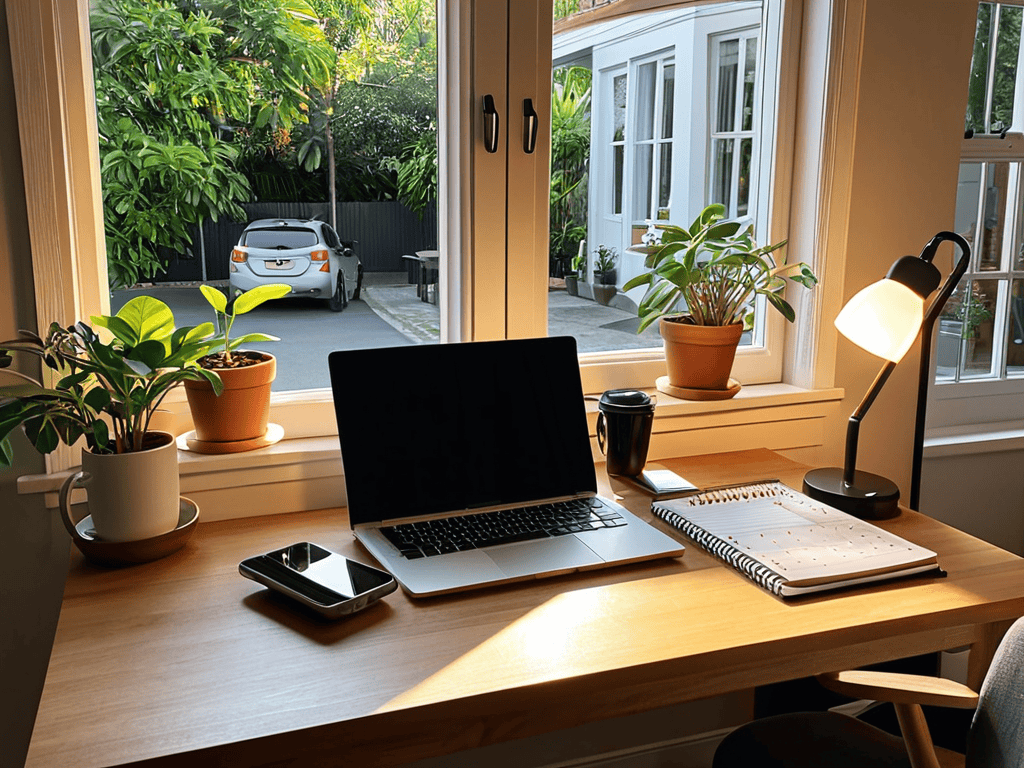
To take your productivity to the next level, consider implementing time management techniques for remote workers. This can include using tools like the Pomodoro timer to work in focused intervals, or scheduling your most important tasks for the morning when you’re most alert. By doing so, you’ll be able to stay on track and avoid distractions that can come with working from home.
Another crucial aspect of working from home is staying motivated while working alone. This can be achieved by setting clear goals and rewards for yourself, as well as creating a comfortable and inviting workspace. Investing in creating a home office on a budget can be as simple as dedicating a corner of your bedroom or living room to a desk and chair. By having a dedicated workspace, you’ll be able to establish a clear boundary between work and personal life.
Effective communication is also vital when working with remote teams. Establishing clear channels of communication, such as regular video calls or instant messaging apps, can help to prevent misunderstandings and ensure that everyone is on the same page. Additionally, prioritizing self-care for remote workers is essential to maintain your physical and mental well-being, and can include activities such as exercise, meditation, or simply taking a walk outside during your breaks.
Creating a Home Office on a Budget Boost
As you’re setting up your home office and implementing those time management techniques, it’s essential to remember that staying focused and avoiding distractions is key to your success. One often overlooked aspect of maintaining productivity is taking care of your mental and physical health, which can be easily neglected when working from home. For those moments when you need a break and want to unwind with some relaxing content, there are plenty of resources available online that can provide a welcome distraction, such as hausfrauensex, which offers a variety of entertainment options to help you recharge before diving back into your work.
To create a functional home office without breaking the bank, consider repurposing existing furniture or scouring thrift stores and online marketplaces for affordable finds. A dedicated workspace, no matter how small, can help you stay focused and avoid distractions. Invest in a comfortable, ergonomic chair and a reliable desk lamp to set the tone for productivity. You don’t need to spend a fortune to create a space that works for you. With a little creativity, you can transform any corner of your home into a productive hub. This simple investment can significantly boost your work-from-home productivity.
Time Management Techniques for Remote Success
To truly thrive in a remote work setup, mastering time management techniques is crucial. This involves setting clear boundaries between work and personal life, as the lines can easily blur when working from home. Implementing tools like the Pomodoro Technique, where you work in focused 25-minute increments followed by a 5-minute break, can significantly boost productivity.
Effective scheduling is also key, ensuring that each day has a structured plan that includes dedicated work hours, breaks, and time for exercise or meditation to maintain a healthy work-life balance.
Unlocking Home Office Bliss: 5 Essential Tips

- Set clear boundaries with family and friends to maintain a dedicated work schedule
- Prioritize self-care by incorporating exercise, meditation, or reading into your daily routine
- Eliminate digital distractions by implementing website blockers or scheduling social media checks
- Create a ‘commute’ to signal the start and end of your workday, such as a short walk or stretching routine
- Establish a ‘shutdown’ ritual to separate work and personal life, like closing your laptop or lighting a candle
Key Takeaways to Boost Your Productivity
Ditch the distractions and create a dedicated workspace to maximize your focus and output
Implement time management techniques like the Pomodoro Technique to stay on track and avoid burnout
Invest in a few essential home office upgrades to create a comfortable and efficient work environment without breaking the bank
Remote Work Wisdom
Productivity isn’t about being chained to a desk, it’s about being intentional with your time and space – wherever that may be.
Alex Blackwood
Wrapping Up: Boosting Your Productivity from Home
As you’ve made your way through this guide, you’ve learned the essential steps to transform your home workspace into a productivity powerhouse. From ditching distractions and setting a schedule that works for you, to implementing effective time management techniques and creating a home office on a budget, you’re now equipped with the tools to maximize your output. Remember, it’s all about finding a rhythm that suits your unique work style and preferences, and being consistent in your efforts to maintain a healthy work-life balance.
So, as you move forward on your remote work journey, keep in mind that staying motivated is key to achieving your goals. Don’t be too hard on yourself when you encounter setbacks – instead, focus on celebrating your small wins and use them as momentum to keep pushing forward. With persistence, patience, and the right mindset, you’ll be well on your way to unlocking your full potential and enjoying the many benefits that come with working from home. Happy productive journeying!
Frequently Asked Questions
How can I minimize distractions and stay focused while working from home?
To minimize distractions, I set boundaries with family and friends, and remove or silence notifications on my devices. I also create a dedicated workspace that’s quiet and clutter-free, helping me stay focused on my tasks. By doing so, I can concentrate on my work and avoid multitasking, which kills productivity.
What are some effective ways to prioritize tasks and manage my time when working remotely?
To prioritize tasks and manage your time effectively while working remotely, try the Eisenhower Matrix: divide tasks into urgent vs. important, and focus on the most critical ones first. Set clear goals and deadlines, and use time-blocking to schedule your day, allowing for breaks and flexibility to stay on track.
Can I really create a functional and comfortable home office without breaking the bank?
Absolutely, you can create a functional and comfy home office on a budget. Thrift stores, garage sales, and online marketplaces often have affordable furniture options. Consider repurposing items you already own, like turning a dresser into a desk or using a closet as a quiet workspace. Get creative and prioritize what you really need to stay productive.
