By 2025, the fashion industry is expected to grow to a massive $1.7 trillion. This shows how much we love buying clothes. But, it’s shocking that clothes only last about seven years before they’re thrown away. This leads to a huge waste problem.
Looking ahead to 2025, sustainable fashion trends are becoming more important. Eco-friendly practices and ethical clothing are key. The industry is facing big challenges, like too much production and criticism from brands like Shein and Temu. But, there’s a chance for change, blending sustainability with making money.
As sustainable design grows, we face both challenges and chances. This could change the fashion world in big ways.
Key Takeaways
- The fashion industry’s market size is expected to reach $1.7 trillion in 2025.
- On average, clothing is discarded after just seven years of use.
- Fast fashion brands face increased scrutiny over environmental impacts.
- Legislative changes are pushing brands to adopt transparent and sustainable practices.
- The Kantamanto Market highlights the importance of the secondhand clothing economy.
The State of Sustainable Fashion in 2025
The sustainable fashion industry is facing big challenges but also seeing more interest from consumers. People are now more aware of eco-friendly clothing. But, there are many hurdles that slow down progress.
Current Challenges Facing the Industry
In 2025, brands have to deal with strict rules about their supply chains. The EU has tough laws to make companies open about where they get their materials. But, many companies find it hard to follow these rules, with only 18% seeing sustainability as a big risk to their growth.
There’s a big gap between what people want and what’s available. Clothing sales are expected to go up by 63% in the next five years. Despite efforts at big events like UN climate conferences, companies aren’t committing enough to green practices.
Consumer Attitudes Towards Sustainable Fashion
Studies show a big change in how people shop, with 64% saying they choose sustainable options. Young people want eco-friendly clothes but often can’t afford them. About 40% are ready to pay 15% more for sustainable products, showing they value ethical brands when prices are right.
Sustainable Fashion Trends Shaping the Industry
The world of sustainable fashion is changing fast. New eco-friendly practices and policies are key to a greener future. People want better ethics and less harm to the environment in fashion.
Emerging Practices in Eco-Fashion
Brands are now using new materials and designs. They’re choosing eco-friendly fabrics like organic cotton and recycled polyester. The sportswear market is growing, showing people want green choices.
Technologies like blockchain and 3D printing are helping. They make things more efficient and cut down on waste.
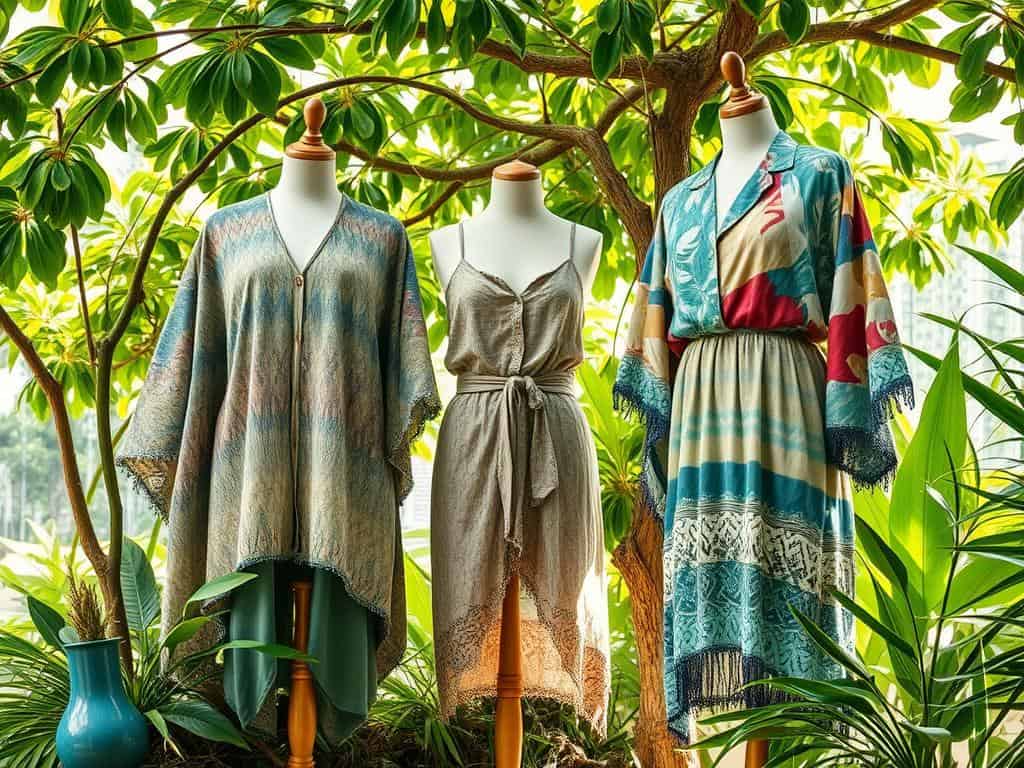
Innovative methods like “zero-waste” manufacturing are becoming popular. Stores are working with green brands and recycling more. But, the industry faces challenges like high costs and teaching consumers about sustainability.
The Role of Policy in Driving Change
Policies are vital for sustainable fashion growth. The EU’s 2022 strategy for sustainable textiles is a good example. It aims to reduce waste and pollution.
With 80% of people willing to pay more for green products, brands must act. They need to be open about their supply chains and educate consumers. This shows we need a big change for a sustainable fashion future.
Conclusion
Looking at sustainable fashion in 2025, we see both challenges and hope. More people want clothes that are good for the planet and fair to workers. This change shows we need real steps towards green fashion and design.
Brands can use sustainability as a chance to grow and be innovative. Many shoppers look for clothes made in a way that’s kind to the earth. So, some brands are making clothes from organic and recycled stuff.
But, there are big hurdles like making supply chains clear and making more sustainable clothes. These issues slow down the growth of green fashion.
The future of green fashion depends on all of us working together. It needs shoppers, companies, and laws to change. If we do this, we can make fashion better for our planet and people.
