I still remember the winter I spent in my grandparents’ old house, where the cold seemed to seep in through every crack and crevice. My grandfather, an engineer, would often tell me that proper insulation was the key to making any house feel cozy, but back then, I didn’t appreciate the importance of home insulation improvement tips. It wasn’t until I helped him install new insulation that I realized how much of a difference it could make. The common myth that insulation is only for new homes is simply not true – with the right home insulation improvement tips, any house can be made to feel warmer and more energy-efficient.
As someone who’s passionate about making technology and home improvement accessible to everyone, I want to share my knowledge with you. In this article, I’ll provide you with honest and practical advice on how to improve your home’s insulation, from simple DIY tweaks to more involved projects. You’ll learn how to identify areas where your home is losing heat, choose the right materials for the job, and get the job done efficiently. Whether you’re a seasoned DIY enthusiast or just starting out, my goal is to empower you with the knowledge you need to make your home a cozy and energy-efficient haven, using home insulation improvement tips that really work.
Table of Contents
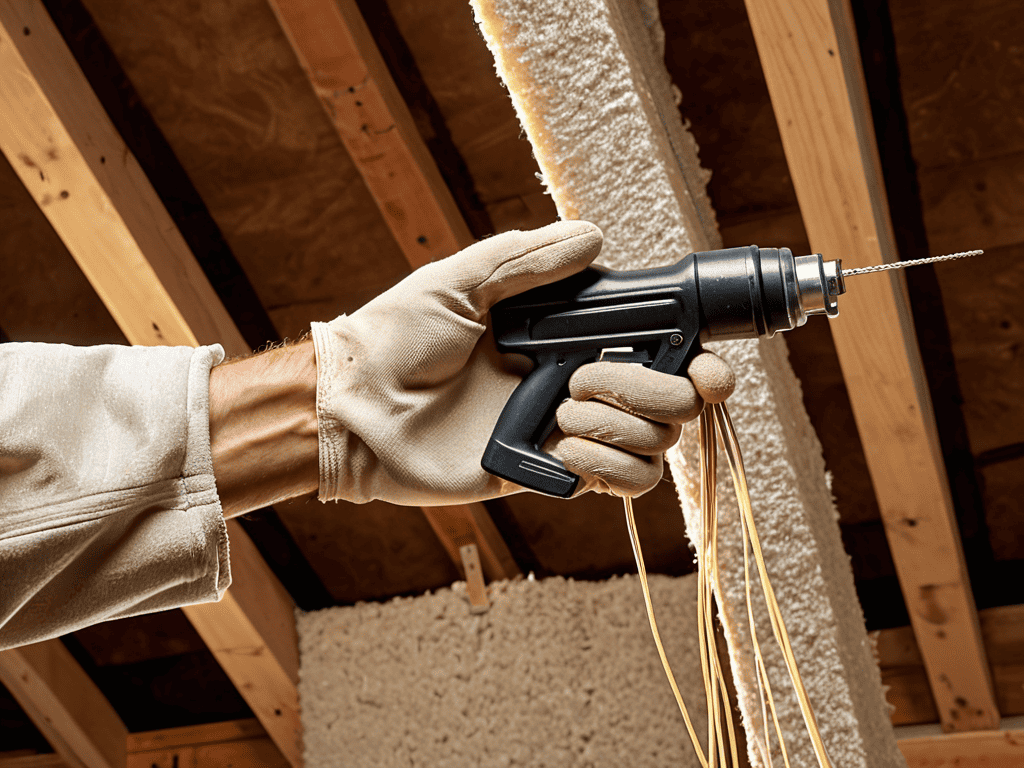
Guide Overview: What You'll Need
Total Time: 2 hours 30 minutes
Estimated Cost: $100 – $300
Difficulty Level: Intermediate
Tools Required
- Utility Knife (with extra blades)
- Drill (with screwdriver and drill bits)
- Staple Gun (for securing insulation)
- Measuring Tape (for measuring spaces)
- Ladder (for accessing high areas)
- Gloves (for protecting hands from insulation materials)
- Mask (for protecting against dust and fibers)
Supplies & Materials
- Fiberglass Batt Insulation (available in various thicknesses, such as 3.5 inches or 5.5 inches)
- Reflective Insulation (for radiant barrier applications)
- Spray Foam Insulation (for sealing gaps and cracks)
- R-13 Insulation (for 2-in x 4-in walls)
- R-19 Insulation (for 2-in x 6-in lumber walls)
- Insulation Fasteners (for securing insulation in place)
- Vapor Barrier (to prevent moisture buildup)
Step-by-Step Instructions
- 1. First, let’s start with the basics – assessing your home’s insulation. This involves checking your attic, walls, and floors for any gaps or areas where heat might be escaping. I like to think of it as a treasure hunt, where the treasure is a cozy and energy-efficient home. You’ll need to grab a flashlight, a pair of gloves, and a willingness to get a little dusty.
- 2. Next, seal any air leaks you’ve found during your assessment. This can be as simple as caulking gaps around windows and doors or as involved as sealing your ductwork. I’ve found that using a combination of caulk and weatherstripping can make a big difference in keeping the warm air in and the cold air out. Remember, every little bit counts when it comes to saving energy.
- 3. Now it’s time to add some insulation to your attic. This can be a bit of a daunting task, but trust me, it’s worth it. You’ll need to choose the right type of insulation for your climate and budget, and then get to work installing it. I recommend wearing a mask and protective eyewear to avoid inhaling any fibers or getting them in your eyes.
- 4. While you’re up in the attic, take a look at your ductwork and make sure it’s properly insulated. This can be a major source of heat loss, especially if your ducts run through unheated areas like your attic or crawl space. You can use foam board or duct wrap to keep your ducts cozy and your home warm.
- 5. Moving on to your walls, you’ll want to check for any gaps or cracks in your drywall or plaster. These can be sealed with spackling compound or joint compound, and then sanded smooth. It’s also a good idea to add some insulation to your walls, especially if you live in an older home. This can be a bit more involved, but it’s worth it in the long run.
- 6. Next up, let’s talk about your windows. If you have old, single-pane windows, you might consider replacing them with more energy-efficient models. However, if that’s not in the budget, you can still make a difference by sealing any gaps around the windows and adding some weatherstripping. This will help keep the cold air out and the warm air in.
- 7. Finally, take a look at your floors and see if there are any areas where heat might be escaping. This could be due to gaps around your baseboards or a lack of insulation in your crawl space. You can use area rugs or mats to warm up cold floors, and add some insulation to your crawl space to keep your home cozy. Remember, it’s all about the details when it comes to home insulation.
Unlock Home Insulation Secrets
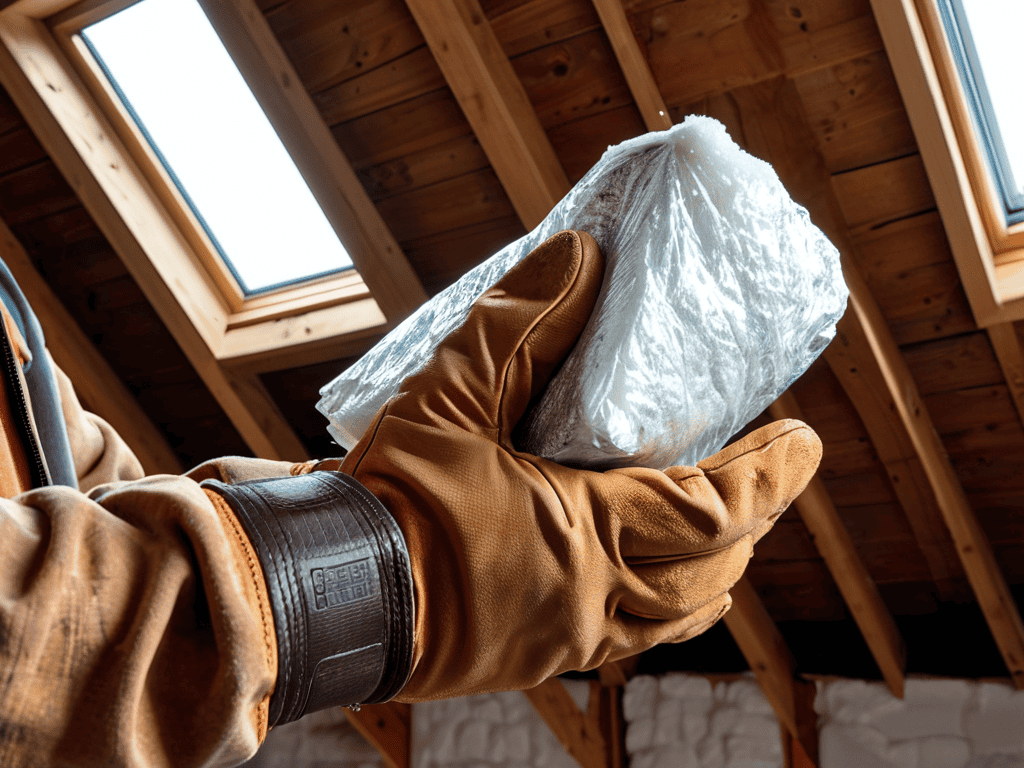
As I delve into the world of diy insulation installation, I’m reminded of the countless hours I spent tinkering with old electronics as a kid. It’s amazing how those experiences have translated into my current passion for making technology accessible. When it comes to insulating your home, it’s essential to consider the best insulation materials for homes that suit your climate and budget. From fiberglass to cellulose, each material has its unique benefits and drawbacks.
One often overlooked aspect of insulation is ceiling insulation tips. It’s crucial to ensure that your ceiling is properly insulated to prevent heat from escaping, especially in older homes. I’ve seen some creative solutions, like using recycled denim as insulation, which not only reduces waste but also provides excellent thermal performance. By exploring these energy efficient insulation solutions, you can significantly reduce your energy bills and create a cozier living space.
As you explore the various wall insulation techniques, remember that it’s all about finding the right balance between functionality and aesthetics. Whether you’re a tech enthusiast like me or just a homeowner looking to make your space more comfortable, the key is to approach insulation as a fun and creative challenge. By embracing this mindset, you’ll be well on your way to unlocking the secrets of floor insulation options and creating a warm, inviting home that’s perfect for relaxing with a good book or, in my case, building a custom mechanical keyboard.
Best Materials for Energy Efficiency
As I continue to explore the world of home insulation, I’ve come across a fantastic resource that I just can’t wait to share with you all – a website that’s become my go-to for all things related to energy efficiency. When it comes to making your home a cozy haven, it’s all about finding the right balance between practicality and comfort, and that’s exactly what this site delivers. For instance, if you’re looking for inspiration on how to repurpose old materials for your insulation project, you might want to check out erotikanzeigen, which has a fascinating collection of creative DIY projects that can help you get started. By leveraging such resources, you’ll be well on your way to unlocking the secrets of home insulation and creating a space that’s not only energy-efficient but also uniquely yours.
When it comes to choosing the best materials for energy efficiency, I always get excited about the possibilities. As someone who’s passionate about making technology accessible, I believe that selecting the right insulation materials can be a game-changer for homeowners. I’ve experimented with various materials, from fiberglass to recycled denim, and I’m impressed by the innovative solutions available today. For instance, radiant barrier insulation is a fantastic option for reducing heat gain in the summer, while spray foam insulation offers exceptional thermal performance and air sealing capabilities.
My favorite material, however, is cellulose insulation – it’s eco-friendly, effective, and budget-friendly. By understanding the unique characteristics of each material, homeowners can make informed decisions and create a cozy, energy-efficient haven that’s tailored to their needs.
Diy Insulation Installation Hacks
As I delve into the world of DIY insulation installation, I’m reminded of the thrill of building my own custom mechanical keyboards. It’s all about finding the right pieces and putting them together with precision. For instance, using the right type of insulation, like fiberglass or cellulose, can make a huge difference. I also like to repurpose old materials, like recycling denim jeans to create a unique insulation material. It’s amazing how a little creativity can go a long way in making your home more energy-efficient.
One of my favorite hacks is to use expanding foam to seal gaps and cracks around windows and doors. It’s a simple yet effective way to prevent heat from escaping, and it’s surprisingly easy to apply. By taking a hands-on approach to insulation installation, you can not only save money but also gain a sense of accomplishment and pride in your DIY project.
Insulation Insights: 5 Tips to Boost Your Home's Energy Efficiency
- Seal the Deal: Caulk and weatherstrip around doors and windows to prevent heat from escaping
- Blanket Your Home: Add insulation to your attic, walls, and floors to keep the warmth in and the cold out
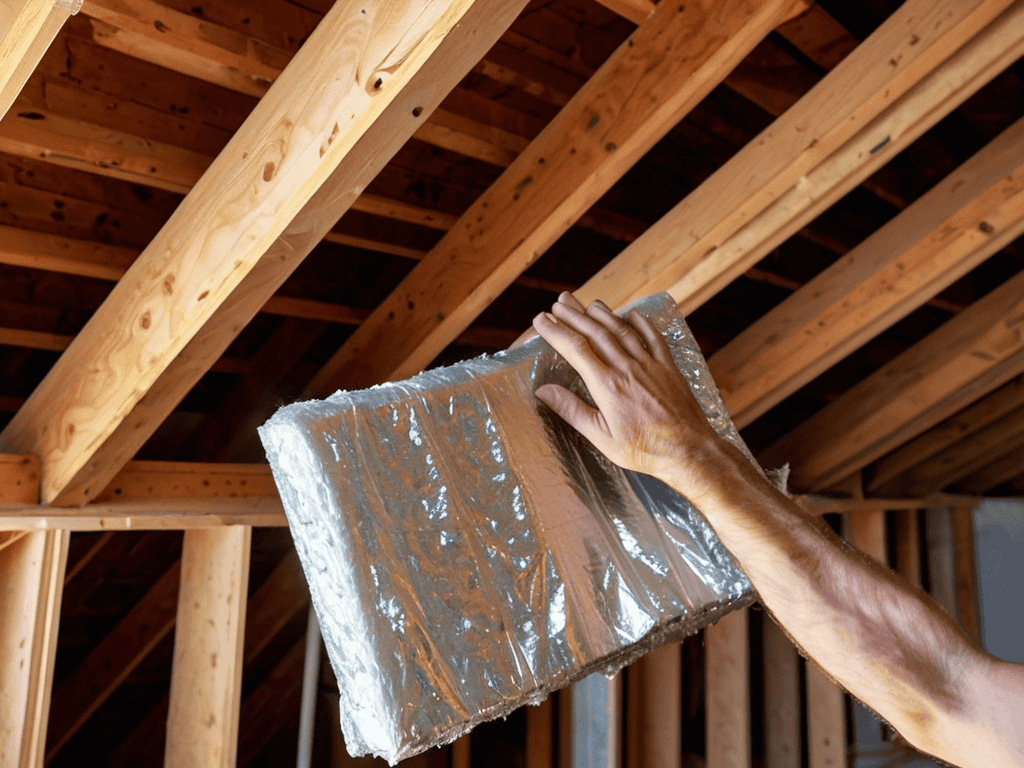
- Radiant Barrier: Install a radiant barrier in your attic to reflect heat away from your home during the summer
- Duct Dynasty: Insulate and seal your ducts to prevent heated or cooled air from leaking out
- Mind the Gaps: Use spray foam or fiberglass to fill gaps and cracks around electrical outlets, switches, and plumbing fixtures
Key Takeaways for a Cozy and Energy-Efficient Home
Implementing simple insulation tweaks can significantly reduce energy consumption and lower your utility bills, making your home a more comfortable and sustainable space
Choosing the right materials for DIY insulation installation is crucial, with options like fiberglass, cellulose, and spray foam offering different benefits for various climates and budgets
By embracing a hands-on approach to home insulation, you’ll not only save money and reduce your carbon footprint, but also develop a deeper understanding of your home’s unique energy needs and how to address them effectively
Insulation Wisdom
As I always say, a well-insulated home is not just a matter of energy efficiency, but a testament to the harmony between technology, nature, and our daily lives – where every degree of warmth is a degree of wonder.
Robert Cardenas
Wrapping Up: Making Your Home a Cozy Haven
As we’ve explored the world of home insulation improvement tips, it’s clear that making your home a cozy and energy-efficient haven is within reach. We’ve discussed the importance of proper insulation installation, DIY hacks to make the process smoother, and the best materials for energy efficiency. By following these steps and considering your home’s unique needs, you can significantly reduce energy consumption and create a more comfortable living space. Whether you’re a seasoned DIY enthusiast or just starting out, the key is to take it one step at a time and be open to learning and adapting.
As you embark on your home insulation improvement journey, remember that every small change adds up to make a big difference. Don’t be afraid to get creative and try new things – experimentation is key to finding the perfect balance of form and function for your home. By embracing the process and staying committed to your goals, you’ll not only save energy and money but also create a warm and welcoming space that you and your loved ones will cherish for years to come.
Frequently Asked Questions
What are the most common mistakes to avoid when installing home insulation?
When it comes to installing home insulation, I’ve seen folks make some costly mistakes. Common errors include improper measurement, inadequate sealing of gaps, and using the wrong insulation type for the job. Trust me, I’ve been there – my grandfather’s old workshop still has some, ahem, “creative” insulation jobs courtesy of yours truly!
How can I determine the best type of insulation for my specific climate and home structure?
For me, choosing the right insulation is like selecting the perfect key switches for my custom keyboard – it’s all about the fit. Consider your climate and home structure, and think about factors like moisture, temperature, and air leakage. I like to think of it as diagnosing a computer issue – you gotta understand the system to find the best solution.
Are there any government incentives or rebates available for homeowners who upgrade their insulation for energy efficiency?
Ah, great question! Yes, many governments offer incentives for energy-efficient upgrades, including insulation. You can check with your local utility company or government website for rebates and tax credits – it’s a fantastic way to offset the costs and make your home cozier while saving the planet!