I still remember sitting in that “open-concept” office three years ago, trying to focus on a deadline while the fluorescent lights hummed like a swarm of angry bees and a coworker three desks down aggressively crunched on ice. It wasn’t just distracting; it felt like a physical assault on my brain. Most corporate handbooks treat neuro-inclusive sensory boundaries like a luxury add-on or a niche HR checkbox, but let’s be honest: if the environment is working against your nervous system, you aren’t “unproductive,” you’re just being overwhelmed.
I’m not here to give you a list of expensive, high-tech gadgets or corporate jargon that sounds good in a slide deck but fails in the real world. Instead, I’m going to share what actually works when you’re trying to protect your peace in a world that’s far too loud. We’re going to dive into practical, no-nonsense strategies for setting limits and creating spaces that respect how different brains actually process the world. No fluff, no hype—just real ways to make sense of the chaos.
Table of Contents
Tactile Environmental Regulation for Focus

We often focus so much on what we see or hear that we completely overlook the physical sensation of the space itself. For many, the texture of a chair, the scratchiness of a carpet, or even the way a desk surface feels under their palms can be a massive, invisible distraction. This is where tactile environmental regulation becomes a game-changer. It’s not just about comfort; it’s about preventing that sudden, jarring spike in irritation that pulls you right out of a flow state.
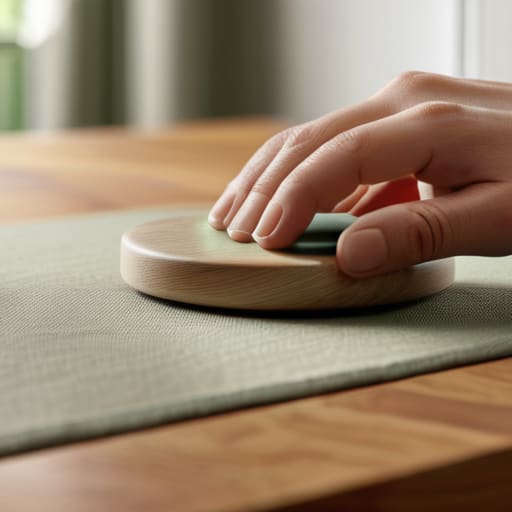
When we talk about neurodivergent workspace ergonomics, we have to look beyond just “correct posture.” It means acknowledging that a hard, cold metal desk might feel like a sensory assault to someone with heightened sensitivity. Instead, we should be looking at materials that offer grounding, predictable textures. Think soft-touch finishes, matte surfaces that don’t feel “sticky,” or even the ability to incorporate fidget-friendly textures into the immediate environment. If the physical touchpoints of a workspace feel “wrong,” the brain stays on high alert, making deep work nearly impossible.
Minimizing Sensory Overload in Interiors

We’ve all been there—staring at a desk buried under a mountain of loose papers, half-empty coffee mugs, and tangled charging cables, feeling that sudden, sharp spike of anxiety. It’s not just “messiness”; for many, it’s a direct assault on the ability to think. When we talk about visual clutter reduction techniques, we aren’t just talking about tidying up for aesthetics. We are talking about lowering the baseline noise that the brain has to filter out every single second. If your eyes are constantly jumping from one stray object to the next, your brain never actually gets a chance to settle into deep work.
It’s also worth acknowledging that sensory regulation isn’t just about the physical space around you; it’s deeply tied to your emotional bandwidth and how you decompress after a long day of masking. Sometimes, the best way to reset your nervous system is to find a low-pressure way to connect with others without the sensory chaos of a crowded bar or a loud social event. I’ve found that engaging in a casual adult chat can be a surprisingly effective way to unwind and socialize in a controlled, digital environment that doesn’t demand the same level of sensory processing as face-to-face interaction.
This is where the intersection of sensory processing disorder and spatial design becomes a game-changer. It’s about creating intentional zones. Instead of one massive, chaotic open-plan area, we need to think about how light, color, and physical layout interact. Think about muted tones rather than jarring neon, and closed storage to hide the visual “noise.” When we prioritize minimizing sensory overload in interiors, we aren’t just making a room look better—we are building a sanctuary that actually supports the way our minds function.
Small Tweaks, Big Impact: 5 Ways to Respect the Sensory Line
- Stop the “scent wars.” If you’re working in a shared space, keep the heavy perfumes and strong food smells to a minimum; for some, a whiff of vanilla is a pleasant distraction, but for others, it’s a physical migraine.
- Normalize the “noise-canceling” signal. We need to get over the stigma of wearing headphones. If someone has their gear on, it’s not a rude gesture—it’s a necessary boundary to keep their brain from redlining.
- Watch the lighting, seriously. Fluorescent flickering might be invisible to you, but it can feel like a strobe light to a neurodivergent colleague. Whenever possible, lean into natural light or warm, dimmable lamps instead.
- Give people an “out” for high-stimulus social moments. Not everyone can handle a loud, crowded happy hour or a bright, chaotic brainstorming session. Offering a low-key alternative isn’t “extra”—it’s inclusive.
- Respect the need for “fidget freedom.” If someone is using a tactile tool or a weighted lap pad to stay grounded, don’t make it weird. It’s a regulation tool, not a toy, and it’s helping them stay present.
The Bottom Line
Sensory boundaries aren’t “extra” perks or special requests; they are fundamental requirements for anyone trying to function in a neurodivergent brain.
Stop trying to fix the person and start fixing the environment—small shifts in lighting, sound, and texture go a long way.
True inclusivity means moving past awareness and actually implementing practical, tactile changes that respect how different people experience the world.
## The Reality Check
“Accessibility isn’t just about adding a ramp to the front door; it’s about making sure the lights, the noise, and the very air in the room aren’t working against the person trying to exist in it.”
Writer
The Bottom Line
At the end of the day, creating a neuro-inclusive space isn’t about following a rigid checklist or checking a box for compliance. It’s about recognizing that the way we interact with our surroundings—from the texture of our workspace to the lighting in the room—directly dictates our ability to function. We’ve looked at how tactile tools can ground us and how intentional interior design can prevent that dreaded sensory meltdown. When we prioritize these small, yet pivotal adjustments, we aren’t just making things “nicer”; we are actively removing the invisible barriers that keep talented people from doing their best work.
Moving forward, I want you to stop viewing sensory boundaries as a series of inconveniences or “special requests.” Instead, try to see them for what they truly are: essential tools for human dignity. When we design environments that respect the diverse ways our brains process the world, we create a culture where everyone actually feels they belong. It’s time to stop asking people to “just push through” the noise and start building a world that actually listens to their needs. Let’s make accessibility the default, not the exception.
Frequently Asked Questions
How do I navigate these boundaries when I'm working in a shared space or a loud open-plan office?
Look, the open-plan office is basically a sensory minefield. If you can’t escape the chaos, you have to build your own fortress. Start with high-quality noise-canceling headphones—they’re non-negotiable. If that’s not enough, try “visual shielding” with a desk plant or a monitor repositioned to block peripheral movement. Most importantly, don’t be afraid to own your needs. A simple, “Hey, I’m hitting a sensory wall and need to go dark for an hour,” goes a long way.
Is it possible to create a sensory-friendly environment without spending a fortune on specialized equipment?
Absolutely. You don’t need a massive budget or high-tech gadgets to make a difference. Most of the best sensory adjustments are actually about subtraction, not addition. Dim the lights, swap out those buzzing fluorescent bulbs for warm lamps, or just introduce some soft textures like a heavy throw blanket. It’s often about reclaiming control over your immediate space through simple, low-cost tweaks rather than buying a specialized “sensory kit.”
How do I bring up my sensory needs with a manager or teammate without feeling like I'm being "difficult"?
The trick is to frame it as a productivity hack, not a personality flaw. Instead of saying, “The lights are hurting my head,” try, “I’ve noticed I’m way more dialed in when I can control my lighting—can we look at some dimmable options?” You aren’t asking for special treatment; you’re asking for the tools to do your best work. Focus on the output, and most reasonable people will get on board.
