Did you know that 47% of U.S. jobs could be automated? This is according to research from Oxford University. The field of robotics is set for a big change in the next few years. AI-driven robots are leading this change, promising to make things more efficient and productive in many areas.
The rise of automation is a big deal. It’s changing how industries work. With over 4.2 million factory robots worldwide and 80% of manufacturers planning to use them, the effect is clear. Companies that use automation are getting ready to do well, even when things get tough.
In this article, we’ll look at the important robotics trends coming our way. We’ll talk about smart machines and how AI is changing things. Experts say robotics will not only make things better but also change our jobs in big ways.
Key Takeaways
- 47% of U.S. jobs are at risk of being automated.
- Over 4.2 million factory robots are currently in operation worldwide.
- The global robotics arm market is projected to reach $84.66 billion by 2031.
- By 2025, AI-equipped robots will perform advanced data interpretation and predictive maintenance.
- Collaborative robots (cobots) will gain increased autonomy and become more user-friendly.
The Rise of AI-driven Robots
AI-driven robots are changing many fields. They show how technology is evolving. The AI robots market is growing fast, from USD 15.2 billion in 2023 to USD 111.9 billion by 2033. This shows how important they are, like in making things more efficient.
Understanding AI Integration in Robotics
AI has changed what robots can do. Machine learning lets them get better over time. This is key for businesses to get more done.
Using AI robots can make things 40% more efficient. This is why many industries are using them.
Commercial Applications and Industrial Uses
AI robots have many uses today. They are big in the car and healthcare industries. By 2025, healthcare will use over USD 16 billion worth.
Industrial robots are a big part of making things. There are over 2.7 million of them worldwide. They are key to making things efficiently.
Challenges Faced by AI Robots Today
AI robots face some big challenges. They struggle with understanding the world and making decisions. For example, Google DeepMind’s Mariner had trouble with web tasks.
As AI gets better, solving these problems is key. This will help AI robots work better in many areas.
Robotics Trends to Watch in 2025
Looking ahead to 2025, robotics trends are set to change many sectors. Smart machines will lead the way, using advanced tech to boost performance in fields like logistics, healthcare, and manufacturing. AI solutions will bring more than just efficiency; they will change how we see automation.
Emergence of Smart Machines
Smart machines are ushering in a new robotics era. By 2025, AI-powered robots will be able to understand and act on data quickly. They will learn, work together, and make decisions on their own. This will make them more independent than ever before.
As businesses look for specific solutions, the need for customizable robots will grow. This means robots that can be adjusted to fit different needs.
Impact of Automation across Industries
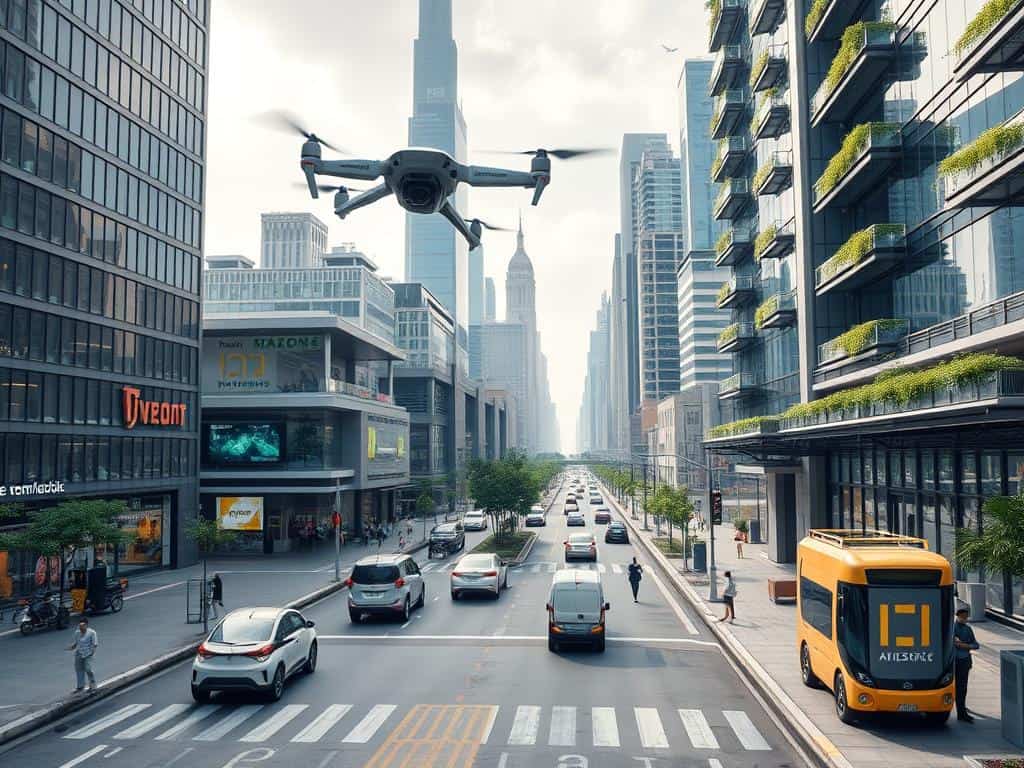
Automation will affect many areas. Drones, for example, will change logistics, farming, and disaster relief with their fast and affordable service. The healthcare robotics market will also see big growth, making operations more efficient and productive.
Studies show that companies using robots see a 30% boost in efficiency. This shows how powerful these technologies can be in transforming industries.
Advancements in Robotics Technology
The world of robotics is changing fast, thanks to new training methods and advanced models. Generative virtual worlds are now used in robotics training. These virtual places let robots practice in a safe way, without the dangers of real-world tests.
Generative Virtual Worlds for Robotics Training
Generative virtual worlds offer robots a chance to learn in complex settings. They help robots get ready for real-world tasks by practicing in a safe space. Companies like World Labs use this method to help robots learn better.
This way of training makes robots more ready for work. It helps them avoid mistakes that could cost a lot of money.
The Role of Large Language Models in Robotics
Large language models play a big part in robotics. They help robots solve problems better. These models, made by groups like OpenAI, make robots understand and follow instructions more clearly.
This leads to better decision-making and more accurate work. Robots with these skills can be used in many areas, like cars and healthcare. This opens up new possibilities for their use in different fields.
Conclusion
Looking ahead to 2025, we’re on the edge of huge changes in robotics. AI-driven robots and new tech will change many industries. They will make things work better and faster.
The robotics world is growing fast, with a 26% growth rate from 2020 to 2025. This is big news for fields like medical robotics. The market for medical robots could hit $20 billion, with surgeries using robots set to triple.
Robots that work with humans will make workplaces safer, cutting injuries by 30% in factories. The market for humanoid robots is expected to grow to over $14 billion. This is because they’re being used in new ways in homes and businesses.
Telemedicine and robots in schools are also on the rise. This means more people will get the healthcare and education they need. These changes focus on making things safer, more efficient, and better for people.
But, there are challenges like making robots smarter and more adaptable. We need to keep improving to use robots fully in different areas. Staying up to date with these changes is key to understanding their big impact on work and life.
As we move forward, I’m looking forward to seeing how these advancements will change robotics. It’s an exciting time for this field.
