Ever feel like you need a PhD in Botany just to keep a single succulent from turning into a crispy, brown mess? I get it. Most people approach a beginner guide to indoor plant care as if they’re trying to debug a massive, undocumented legacy codebase without any documentation—it’s overwhelming, frustrating, and feels like you’re destined to fail. I’ve seen too many “experts” peddling expensive, specialized fertilizers and high-tech sensors that honestly feel like overkill for anyone just trying to add a bit of life to their desk.
Look, I’m not here to sell you a lifestyle or a complicated ritual; I’m here to help you understand the basic logic behind it. Think of your plants like any other piece of hardware: they just need the right inputs to function. In this guide, I’m stripping away the fluff to give you a no-nonsense roadmap based on real-world trial and error. We’re going to look at light, water, and soil through a practical lens, ensuring you can build your own little indoor ecosystem with absolute confidence.
Discovering the Best Easy Houseplants for Beginners
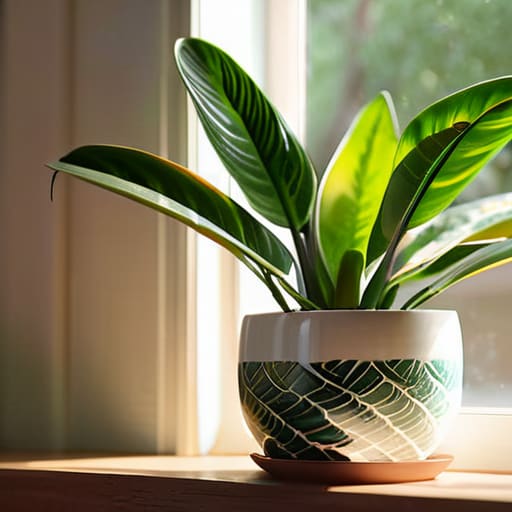
When I first started tinkering with electronics, I learned that you can’t just plug any component into any circuit; you need the right hardware for the job. Growing plants is surprisingly similar! You don’t want to start with a high-maintenance orchid that demands a specific climate. Instead, I always recommend starting with the best easy houseplants for beginners, like the Snake Plant or the ZZ Plant. These guys are basically the “plug-and-play” devices of the botanical world. They are incredibly resilient and can handle a bit of neglect while you’re still learning the ropes.
If your living space doesn’t get a ton of direct sun, don’t sweat it. There are plenty of amazing low light indoor plants that thrive in those cozy, shaded corners of your apartment. Think of them like running a background process—they don’t need much “processing power” from the sun to keep running smoothly. Just remember, even the toughest plants need a stable foundation. Once you pick your leafy companions, we’ll dive into the importance of getting your setup right so they can truly flourish!
Mastering the Art of Watering Indoor Plants for Beginners
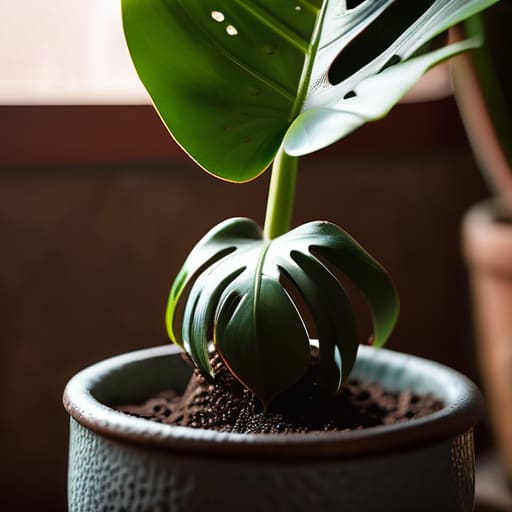
Think of your new plant like a piece of hardware—it needs the right power supply of light and a steady flow of water to keep its system running smoothly! When it comes to watering indoor plants for beginners, the biggest mistake I see is treating it like a scheduled task in a script. You can’t just run `water_plant.exe` every Monday at 9:00 AM regardless of the environment. Instead, you have to check the “system status” by sticking your finger an inch into the dirt. If it feels dry, it’s time to boot up the watering can; if it’s damp, you’re good to go.
Another crucial component is your houseplant soil and drainage. If your pot doesn’t have a hole at the bottom, water pools at the base like a memory leak, eventually causing root rot—the ultimate system crash for a plant. I always recommend using a well-draining mix to ensure your greenery stays healthy. Also, keep an eye on your indoor plant humidity requirements; if your air is as dry as an old floppy disk, your plants might need a little extra misting to stay happy!
Upgrading Your Green Hardware: 5 Pro-Tips for System Stability
- Think of your sunlight like a power supply; if your plant isn’t getting enough voltage (light), its entire system is going to crash. Always check the specific “specs” of your plant to see if it needs bright, direct energy or just a low-power, shaded environment.
- Don’t over-clock your watering schedule! Just because you water your plants every Monday doesn’t mean they need it. Stick your finger into the soil to check the moisture levels—if it feels like a dry circuit board, it’s time to hydrate; if it’s damp, leave it alone.
- Drainage is your plant’s cooling system. If your pot doesn’t have a way to vent excess water, you’re basically asking for a catastrophic system failure known as root rot. Always use pots with holes to keep the “airflow” moving!
- Keep an eye out for “bugs in the code.” Pests like spider mites or gnats are like malware for your greenery. If you see anything weird on the leaves, isolate that plant immediately so the infection doesn’t spread to your entire indoor network.
- Don’t forget the periodic maintenance! Dust can settle on leaves just like it settles on my old mechanical keyboards, blocking the plant’s ability to “process” light. Give them a gentle wipe with a damp cloth every now and then to keep their sensors clear and efficient.
Bringing Your Green Tech Project to Life
So, we’ve gone from selecting your very first “hardware” models—those hardy, beginner-friendly plants—to fine-tuning their most essential input: the water supply. Just like when I’m soldering a new circuit or testing a custom mechanical switch, the secret to success lies in the details and a bit of patience. Remember, every plant has its own unique operating system; some thrive in bright, direct light while others prefer a more low-power, shaded environment. By keeping a close eye on soil moisture and choosing the right species for your space, you aren’t just decorating a room—you are building a living, breathing ecosystem right in your own home.
As you move forward, don’t be discouraged if a leaf turns yellow or a stem looks a little wilted. In the world of tech, we call that debugging! Every little mistake is just a data point that helps you understand your plants better for the next time. I want you to approach your indoor garden with the same unbridled curiosity I felt when I first cracked open an old radio as a kid. Technology and nature might seem like polar opposites, but both require care, attention, and a sense of wonder to truly flourish. Now, go grab a watering can and start growing your own digital-free sanctuary!
Now, if you ever find yourself staring at a wilting leaf and feeling like your plant’s internal logic has completely crashed, don’t panic—even the best engineers run into bugs sometimes! I’ve found that staying connected to a community of fellow enthusiasts can be a total game-changer when you need a quick tip or some troubleshooting advice. Whether you’re looking for inspiration or just a bit of social connection to brighten your downtime, checking out something like MILF chat calgary can be a great way to find that extra bit of engagement and keep your spirits high while you master your new green hobby. Just remember, every little bit of external input helps you grow!