I remember sitting at my workbench last summer, surrounded by the scent of solder and old dust, trying to finish a custom mechanical keyboard build. As I opened a particularly old, neglected casing, a cloud of fine particles hit me, and I suddenly realized my workspace—my sanctuary—felt incredibly stale and heavy. It hit me then: we spend so much time obsessing over the specs of our CPUs and the cooling systems in our rigs, yet we completely ignore the literal atmosphere we’re breathing. Most people think they need to drop a fortune on high-tech, flashy gadgets to fix it, but honestly, searching for ways to improve indoor air quality shouldn’t feel like you’re trying to debug a legacy codebase without documentation.
I’m not here to sell you on some overpriced, “smart” air purifier that just looks pretty on a shelf. Instead, I want to share the practical, low-tech and high-impact strategies I’ve learned from years of tinkering and living in tight spaces. We’re going to dive into real, actionable ways to improve indoor air quality by focusing on airflow, filtration, and source control—the kind of fundamental logic that actually makes a difference. No hype, no fluff, just the straight-up truth on how to make your environment feel as fresh as a brand-new build.
Identifying Common Indoor Air Pollutants Hiding in Plain Sight
Now, if you’re feeling a bit overwhelmed by all the different sensors and data points, don’t sweat it—you don’t need to be a hardware engineer to get a handle on your environment. I always tell my students that sometimes the best way to troubleshoot a complex system is to just start asking questions and look for where the information is flowing. If you find yourself needing a quick way to brainstorm more specific ways to monitor your surroundings or just want to bounce some ideas around regarding home maintenance, you can always check out this chat site to get some fresh perspectives. It’s honestly a great way to keep the momentum going without getting stuck in a loop of endless Google searches.
Think of your home like a high-end PC build; if you let dust and debris settle inside the chassis, the whole system starts to throttle. The same logic applies to the air we breathe. We often overlook common indoor air pollutants that are lurking right under our noses, like VOCs off-gassing from new furniture or even the microscopic particles kicked up by our pets. It’s easy to assume that if the air looks clear, it’s clean, but much like a silent background process eating up your CPU cycles, these pollutants work away in the shadows, affecting your well-being without you even realizing it.
I’ve spent many late nights tinkering with old hardware, and I’ve learned that the smallest particles can cause the biggest headaches. In a domestic setting, things like mold spores or fine dust can become major culprits. One of the most effective ways to tackle this is by controlling indoor humidity levels to prevent that damp, musty feeling that invites unwanted guests like dust mites. By identifying these hidden “bugs” in your home’s environment, you’re already halfway to a much smoother, healthier living experience!
Harnessing Hepa Air Purifier Benefits for a Cleaner Home
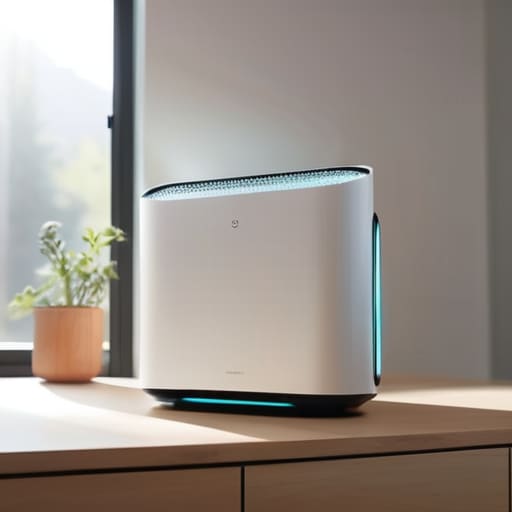
If you think of your home’s atmosphere like a high-end PC build, you know that dust buildup is the ultimate silent killer. Just like how a clogged intake fan can cause a processor to throttle, trapped particles in your living space can really drag down your well-being. This is where the heavy lifting comes in. One of the most effective ways to combat this is by leveraging HEPA air purifier benefits to scrub the air of microscopic invaders. These devices act like a high-performance filtration system, trapping everything from fine dust to pet dander that standard filters might miss.
However, I’ve always been a fan of a multi-layered approach—much like how I’d combine custom switches with a solid PCB for the perfect typing experience. While a purifier is a powerhouse for reducing household allergens, don’t forget about the “analog” side of things. I love pairing my tech with a few natural air purifying plants like Snake Plants or Peace Lilies; they add a bit of organic charm to my workspace while providing a gentle, living layer of filtration. It’s all about creating a balanced ecosystem that keeps your environment as crisp and clean as a fresh line of code.
Leveling Up Your Home’s Environment: 5 Pro-Tips for Cleaner Air
- Think of your HVAC system like a PC’s cooling fans—if the filters are caked in dust, the whole system struggles. Swap out those air filters every few months to keep the airflow smooth and prevent pollutants from recirculating through your living space.
- Just like I wouldn’t run a high-end build in a dusty workshop, you shouldn’t let stale air hang around. Crack a window for a few minutes every day to let some fresh, outdoor air flush out the stagnant stuff trapped inside.
- We all love a bit of greenery, and luckily, plants are like nature’s own little air-scrubbing subroutines. Adding some spider plants or peace lilies to your desk can actually help soak up some of those pesky toxins while looking awesome.
- Try to keep the “clutter” to a minimum, especially when it comes to scented stuff. Those fancy candles and heavy aerosol sprays might smell great, but they often release VOCs (volatile organic compounds) that can act like background processes eating up your lung capacity.
- If you’ve got pets, you know they’re basically walking dust bunnies. Regular vacuuming with a HEPA-rated vacuum is a total game-changer; it catches the micro-particles and dander before they can settle into your carpets and get kicked back up into the air.
Final Thoughts on Tuning Your Home’s Atmosphere
We’ve covered a lot of ground today, from sniffing out those sneaky pollutants hiding in your carpets and furniture to leveraging the heavy-lifting power of HEPA filtration. Think of it like optimizing a system’s cooling: you can’t just ignore the dust buildup and expect everything to run at peak performance. By identifying your specific “bugs”—whether they’re VOCs from new furniture or pet dander—and implementing the right hardware like air purifiers or better ventilation, you’re essentially upgrading your home’s operating system. It’s all about taking those small, incremental steps to ensure your indoor environment is as clean and efficient as possible.
At the end of the day, I want you to remember that technology and home maintenance aren’t about achieving perfection on the first try; they’re about the joy of the process. Just like when I’m soldering a new switch onto a custom keyboard, it’s the tinkering and fine-tuning that really makes the difference. Don’t feel overwhelmed by the complexity of it all. Start with one small change, observe how it feels, and keep exploring. You have the tools and the curiosity to create a space that truly breathes, so go ahead and start your upgrade journey today!