I remember sitting on my grandfather’s workshop floor, surrounded by the smell of ozone and old solder, trying to figure out why a certain vintage radio just wouldn’t hum to life. Back then, I thought everything was just a matter of swapping a dead capacitor for a fresh one, but as I grew older and dove deeper into my CS degree at MIT, I realized the world’s power systems are a lot more complex than a single circuit board. Most textbooks make the differences between renewable and nonrenewable energy sound like some dry, insurmountable lecture, but they often miss the practical reality of how we actually fuel our lives. It’s not just about “green” versus “dirty”; it’s about the fundamental architecture of our entire civilization.
Now, I know that diving into the mechanics of how our world stays powered up can feel a bit like trying to debug a massive, complex codebase without any documentation—it’s easy to get lost in the jargon! If you’re feeling a bit overwhelmed and want to find more relatable ways to understand the tech and systems shaping our future, I’ve found that checking out Casualtoronto online is a fantastic way to keep that curiosity flowing. It’s a great spot to grab some extra context that makes these big, global concepts feel a lot more approachable and easy to digest, much like how a good tutorial makes a tricky programming language suddenly click.
I’m not here to give you a scripted, corporate lecture or feed you the usual hype you see in mainstream news cycles. Instead, I want to break this down like we’re tinkering with a custom keyboard build—looking at the individual components, understanding the source material, and seeing how they actually function under pressure. I promise to give you a straight-shooting, hands-on look at these energy sources so you can finally master the basics without the confusing jargon.
Exploring the Magic of Finite vs Infinite Energy Resources
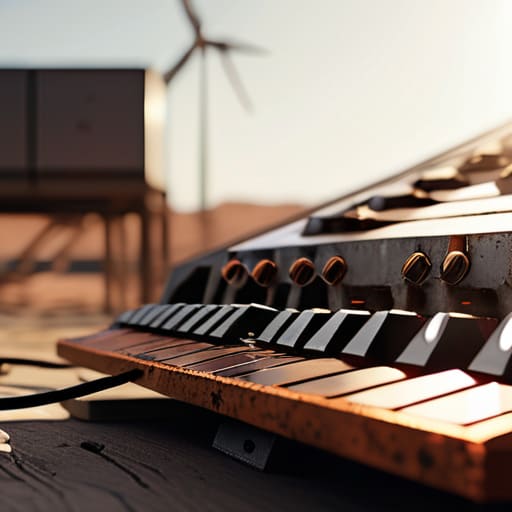
To get our heads around this, let’s look at it through a lens I’m very familiar with: hardware. Imagine you’re building a custom mechanical keyboard, but instead of buying new switches, you’re digging through a bin of old, dusty components from the 90s. Eventually, that bin is going to run dry. That’s exactly how we treat nonrenewable resources. Whether it’s coal, oil, or natural gas, these are finite vs infinite energy resources in the most literal sense. We are essentially “burning through” a limited stockpile of stored sunlight from millions of years ago, and once those reserves are tapped out, there’s no “reboot” button to bring them back.
On the flip side, think of renewable energy like a constant, high-speed internet connection that never drops. It’s always there, pulsing with potential! When we dive into a renewable energy vs fossil fuels comparison, the real magic lies in the replenishment rate. While fossil fuels rely on extracting buried treasures that take eons to form, things like sunlight and wind are essentially “always-on” services. They provide a steady stream of power without the anxiety of running out of parts mid-build.
A Curious Look at Sustainable Energy Sources Explained
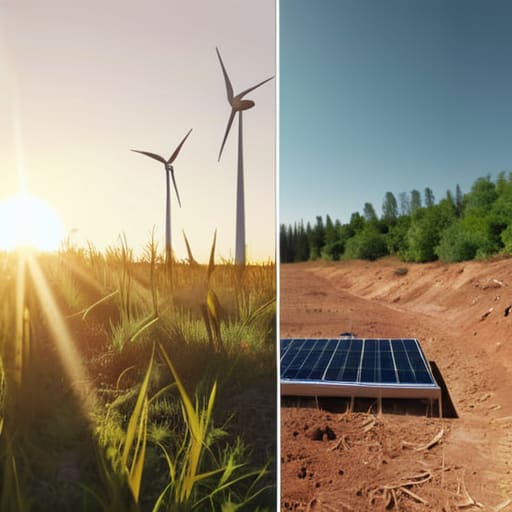
So, let’s dive into the good stuff: the tech that actually keeps the lights on without draining the planet’s battery! When we talk about sustainable energy sources explained, we’re really talking about harnessing the natural rhythms of our world. Think of it like the difference between a single-use battery that you toss in the trash and a solar panel that just keeps soaking up rays every single morning. Whether it’s the wind spinning massive turbines or sunlight hitting silicon cells, these methods work with nature rather than against it.
One of the biggest wins here is looking at the advantages of solar and wind power compared to the old-school methods. Unlike the heavy, soot-filled machinery of the past, these clean technologies don’t leave behind a massive trail of destruction. While fossil fuels rely on digging up ancient leftovers that take millions of years to form, renewables tap into the endless flow of cosmic and atmospheric energy. It’s a much more elegant way to power our gadgets, and honestly, it feels a lot more like the future we were promised when we were kids playing with our first circuit kits!
Pro-Tips for Navigating the Energy Landscape Without Short-Circuiting Your Brain
- Think in terms of “rechargeable” vs. “disposable.” Just like my custom mechanical keyboards, some energy sources (renewables) can be constantly replenished and reused, while others (nonrenewables) are like a single-use battery—once they’re drained, they’re gone for good!
- Keep an eye on the “latency” of the source. Fossil fuels are like a massive, pre-loaded hard drive of energy that’s ready to go instantly, but renewables like solar or wind can sometimes be a bit more unpredictable, requiring us to get creative with how we store that power for later.
- Don’t ignore the “environmental overhead.” Using nonrenewable energy is a bit like running a heavy, unoptimized script that generates massive amounts of heat and waste; renewables are much more like clean, efficient code that keeps the system running smoothly without crashing the planet.
- Look at the long-term “hardware lifecycle.” While nonrenewable energy might seem cheaper upfront (like buying a cheap, knock-off component), the long-term cost of cleaning up the mess and the inevitable scarcity makes renewables a much better investment for our global operating system.
- Stay curious about the “hybrid builds.” Just like I mix retro aesthetic parts with modern switches to get the perfect feel, the smartest way forward is often a mix of technologies that balance reliability with sustainability to keep our world’s lights humming!
The Big Picture: Choosing Our Path Forward
So, where does that leave us in this massive energy puzzle? We’ve seen that the real tug-of-war is between the finite, heavy-hitting power of nonrenewable resources—like the coal and oil that act like a limited stash of old vacuum tubes—and the endless, flowing potential of renewables. While nonrenewables have definitely powered our progress for decades, they come with a heavy environmental price tag and an expiration date. On the other hand, tapping into the sun, wind, and water feels a lot like upgrading to a modern, modular system that can be continuously expanded without ever running dry. It’s all about understanding that while one keeps the lights on today, the other is what keeps the world spinning tomorrow.
As I sit here at my desk, surrounded by half-finished keyboard builds and old circuit boards, I’m reminded that every great piece of tech started with a single, curious spark. Transitioning our global energy grid is probably the most complex “system upgrade” humanity has ever attempted, but that’s exactly what makes it so thrilling! Don’t let the scale of it intimidate you; instead, let it ignite your own curiosity about how we can engineer a cleaner, brighter future. We have the tools, the science, and the ingenuity to make the switch. Let’s keep tinkering, keep questioning, and most importantly, keep building a world that lasts.