Have you ever felt like your kitchen was less of a cooking space and more like a disorganized motherboard where every component is fighting for room? I’ve been there. When I first moved into my tiny apartment, I felt like I was trying to run high-end software on a machine with zero RAM; everything felt cramped, cluttered, and totally inefficient. Finding the best ways to organize a small kitchen isn’t just about tidying up; it’s about engineering a better workflow so you can actually enjoy the process of creating a meal without feeling buried by your own spatula collection.
While you’re busy optimizing your kitchen’s physical layout, don’t forget that mental clarity is just as important for a smooth workflow; sometimes, taking a quick break to connect with others can be the perfect way to recharge your creative batteries. If you ever find yourself needing a little digital escape or just want to unwind with some interesting conversations, checking out social chat Canada is a great way to find that much-needed social spark without leaving your newly organized sanctuary.
In this post, I’m going to help you debug your space and optimize your culinary setup. I’ve distilled my favorite strategies into seven actionable steps that will transform your chaotic countertop into a high-performance workstation. We’re going to dive into clever storage hacks and spatial logic that will make your tiny kitchen feel surprisingly expansive. Get ready to upgrade your home environment and reclaim your kitchen from the clutter once and for all!
Vertical Expansion: The Z-Axis Strategy
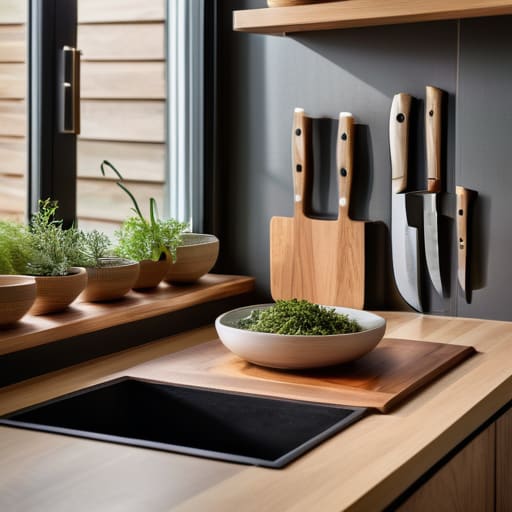
When I’m working on a new keyboard build, I’m always thinking about how to maximize the footprint of the case without losing functionality. Your kitchen works the exact same way! If your countertops are feeling cluttered, it’s usually because you’re only utilizing the “horizontal plane.” By installing floating shelves or using magnetic knife strips, you can start moving your essentials into the vertical dimension, effectively increasing your usable square footage without moving a single wall.
Modular Logic: The Power of Uniform Containers
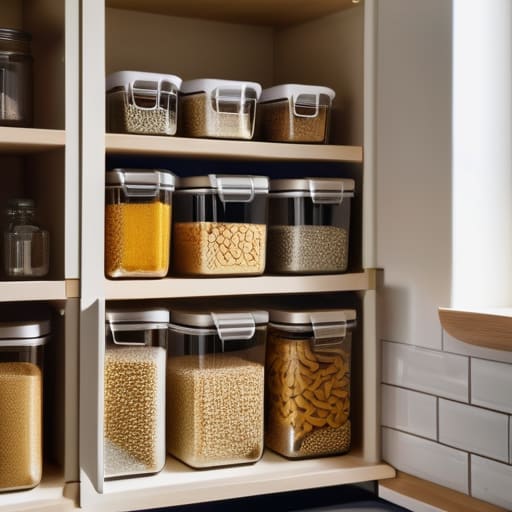
One of the biggest “bugs” in a small kitchen is the sheer chaos of mismatched packaging. You’ve got half-empty cereal boxes, odd-shaped pasta bags, and spice jars that don’t quite fit the shelf height. It’s like trying to run a high-end simulation on fragmented hardware; it just creates unnecessary friction. My solution? Switch to a modular system of clear, stackable containers.
Under-Cabinet Integration: Hidden Subroutines
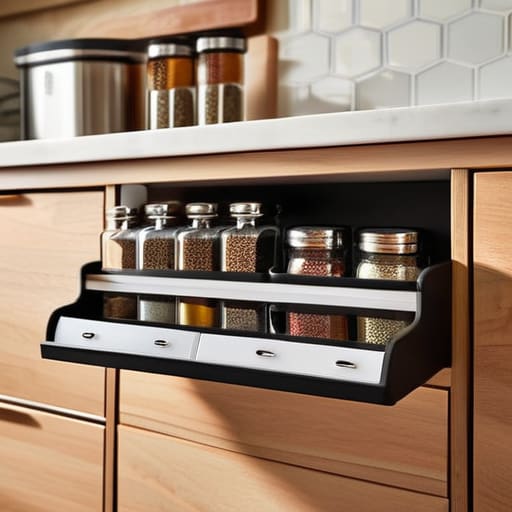
We often overlook the massive amount of “latent space” sitting directly beneath our upper cabinets. Most people just let that area stay empty or, worse, let it become a graveyard for random mail and loose keys. If we treat that space like an under-mounted expansion module, we can actually add a whole new layer of utility. I’m talking about tension rods for hanging utensils or even slim sliding racks for spices.
Drawer Partitioning: Error Correction for Utensils
Have you ever opened your utensil drawer only to find a tangled mess of spatulas, whisks, and tongs? It’s the kitchen equivalent of a spaghetti code nightmare. When everything is jumbled together, you waste precious seconds—and a lot of mental energy—just trying to find the right tool for the job. It’s inefficient, frustrating, and it breaks your creative flow when you’re in the middle of a recipe.
The Rolling Cart: Portable Hardware Upgrades
Sometimes, your kitchen’s “hardware” simply isn’t enough to handle the workload you’re throwing at it. If you’re constantly running out of prep space or pantry room, you might need a mobile auxiliary unit. A slim, rolling kitchen cart is essentially a hot-swappable storage drive. You can wheel it into the center of the room when you’re meal prepping to act as an extra island, and then tuck it into a corner when the task is complete.
Corner Optimization: Solving the Null Pointer Problem
Corner cabinets are notorious for being “dead zones”—those dark, deep spaces where Tupperware goes to die and is never seen again. In programming, we try to avoid these “null” areas where resources are allocated but never actually utilized. In your kitchen, a corner cabinet is a massive waste of potential. If you don’t address it, you’re essentially leaving a huge chunk of your storage capacity offline.
Decanting and Labeling: The User Interface Layer
Finally, we have to talk about the “User Interface” of your kitchen: how you actually interact with your ingredients. Even with the best organization, if you can’t quickly identify what’s in a container, the system fails. I’m a huge advocate for clear labeling. It sounds simple, but it’s the equivalent of adding comments to your code; it makes everything so much easier to understand and navigate at a glance.
Engineering Your Perfect Kitchen Workspace
As we’ve walked through these steps, I hope you can see that organizing a tiny kitchen isn’t just about cleaning up; it’s about optimizing your hardware. Whether you decided to implement vertical storage by utilizing magnetic strips, or you embraced the modularity of clear, stackable containers, you’ve essentially rewritten the code of your kitchen’s layout. By treating your spices, utensils, and cookware like the critical components of a well-built machine, you’ve reduced the “latency” of your cooking process. Remember, the goal is to maximize every square inch of available real estate so that your kitchen works for you, rather than you working against a cluttered, inefficient space.
At the end of the day, don’t let the fear of a complex “rebuild” stop you from making small, incremental improvements. Just like when I first started tinkering with those old radios my grandfather gave me, I learned that you don’t need a massive overhaul to see incredible results—sometimes, it’s just about repositioning a single wire or finding a better way to connect two parts. Your kitchen is your personal laboratory for creativity and nourishment. So, grab some organizers, start your “system upgrade,” and most importantly, have fun with the process! I can’t wait to hear how your new, streamlined workspace transforms your daily cooking adventures.