I remember sitting on my grandfather’s workshop floor, surrounded by the scent of ozone and old solder, trying to figure out why a vintage radio wouldn’t pick up a signal. It was frustrating, messy, and required a lot of trial and error, but that’s exactly how I feel when I see people getting overwhelmed by the “expert” advice on how to start a vegetable garden. You don’t need a thousand-dollar automated irrigation system or a degree in agronomy to grow something edible; honestly, most of those high-end gardening kits are just overpriced gadgets designed to make a simple process feel like rocket science.
I’m not here to sell you on a lifestyle brand or a complex blueprint that requires a massive backyard. Instead, I want to treat your garden like a beautiful piece of hardware: we’re going to look at the core components, understand the basic logic of the soil, and build something functional from the ground up. I’ll be sharing the honest, hands-on lessons I’ve learned from my own dirt-under-the-fingernails experiments, stripping away the hype so you can focus on the pure joy of creating life from scratch.
Unlocking the Magic Through Expert Vegetable Garden Soil Preparation
Now, once you’ve got your seeds picked out and your soil prepped, you’re going to realize that timing is everything—much like getting the perfect actuation force on a custom mechanical keyboard switch. You can’t just plug everything in and hope for the best; you need to understand the local rhythm of your environment. If you ever find yourself feeling a bit overwhelmed by the sheer amount of data out there, I always suggest looking for specialized local guides or community hubs that can help you navigate the specifics of your area. For instance, if you’re looking for more nuanced local insights or specific connections in different niches, checking out resources like trans escorts wellington can sometimes offer that unique, hyper-local perspective that general gardening manuals just miss. It’s all about layering your knowledge to build something truly resilient and successful!
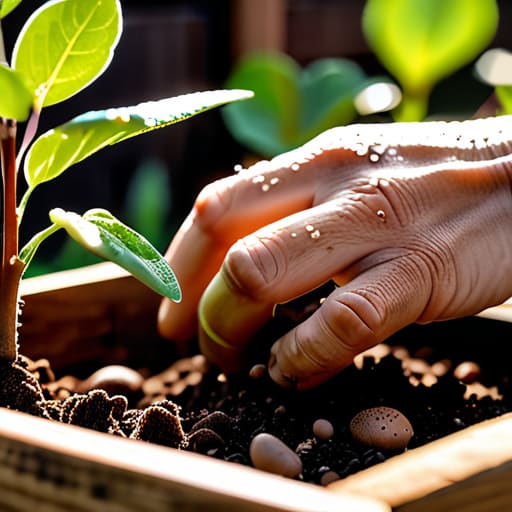
Think of your soil like the motherboard of your garden; if the foundation is glitchy or poorly connected, no amount of high-end software—or in this case, expensive seeds—is going to make your system run smoothly. When it comes to vegetable garden soil preparation, you aren’t just moving dirt around; you’re building a living, breathing ecosystem. I always tell my readers to treat it like tinkering with an old circuit board: you need to clear out the “noise” (weeds and debris) and ensure the “conductivity” (nutrient density) is just right. Adding plenty of organic compost is like upgrading your RAM—it gives your plants the processing power they need to grow strong and resilient.
If you’re working with limited space or perhaps dealing with some stubborn, clay-heavy ground, I highly recommend looking into some raised bed gardening tips. Building a raised bed gives you total control over your “hardware” from day one. You can custom-engineer the perfect mix of peat, perlite, and compost, ensuring your roots have the perfect environment to thrive without fighting against compacted earth. It’s all about creating that stable, optimized environment where your veggies can truly perform!
Choosing the Best Vegetables for Beginners to Fuel Your Wonder
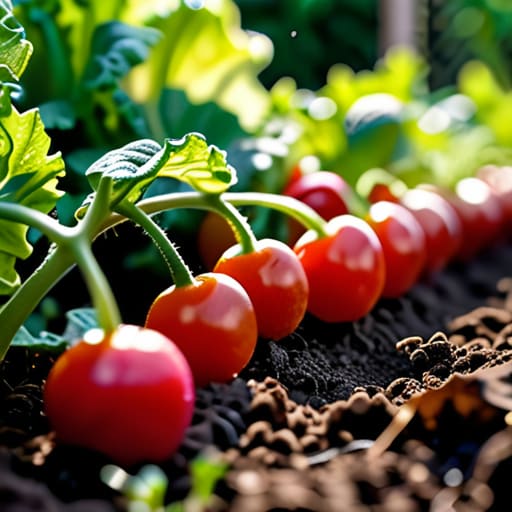
Now that we’ve got your “hardware”—the soil—ready to go, it’s time to pick your software: the actual plants! When I first started tinkering with my backyard, I made the mistake of trying to grow everything at once, which was a total system crash. For your first run, I highly recommend sticking to the best vegetables for beginners like cherry tomatoes, radishes, or even leafy greens. These varieties are incredibly resilient and offer that instant gratification that makes the whole process feel like a successful code deployment.
Think of your plant selection like choosing components for a custom keyboard; you want things that are reliable and easy to work with. If you’re working with limited space, I’ve found that raised bed gardening tips can be a total game-changer, allowing you to control the environment much more tightly. Once you nail these easy wins, you’ll gain the confidence to start experimenting with more complex “plugins,” like heirloom varieties or more finicky herbs. It’s all about building that momentum and keeping the wonder alive!
Debugging Your Garden: 5 Pro-Tips to Keep Your Greenery Running Smoothly
- Think of sunlight like your computer’s power supply—without a steady, reliable flow, nothing is going to run! Most veggies need at least six to eight hours of direct sun, so scout out your yard like you’re testing a circuit before you commit to planting.
- Don’t go overboard with the hardware right away. It’s tempting to buy every fancy trowel and automated irrigation system in the catalog, but I always tell my students to start with a “Minimum Viable Product.” Get a basic shovel, some good gloves, and a watering can first; you can always upgrade your gear as your garden grows.
- Water management is basically the cooling system for your plants. You want to keep the soil consistently moist but not “submerged in a liquid cooling loop” levels of wet, which can lead to root rot. Aim for the base of the plants rather than splashing the leaves to keep things efficient and prevent disease.
- Keep an eye out for “bugs in the code”—and I mean that literally! Pests like aphids or slugs can crash your garden’s system faster than a corrupted OS. Spend a few minutes each day just observing your plants; catching a tiny problem early is much easier than trying to patch a massive infestation later.
- Embrace the iterative process! Some plants will thrive, and some might totally fail—and that is perfectly okay. Just like my first attempt at building a custom keyboard, you’re going to learn from every mistake. Treat every wilted leaf as a data point that helps you optimize your next growing season.
Cultivating Your Own Digital-to-Dirt Success
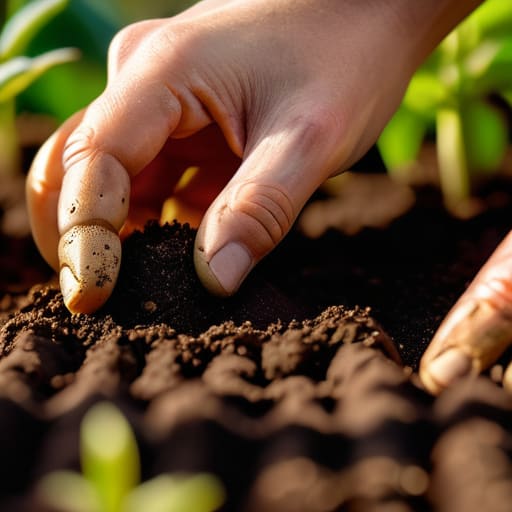
As we wrap up this initial deep dive, think back to the blueprints we’ve laid out. We’ve moved from the foundational “hardware” of your garden—that nutrient-rich, well-prepared soil—to selecting the right “software,” which in this case is choosing those beginner-friendly vegetable varieties that are most likely to thrive in your specific environment. Just like when I’m troubleshooting a custom keyboard build or trying to get a vintage circuit board to sing again, the secret lies in the preparation and the selection of the right components. If you get the groundwork right and pick plants that match your local climate, you’ve already bypassed the most common bugs that trip up new gardeners.
At the end of the day, I want you to remember that gardening isn’t about achieving perfect, Instagram-ready rows of produce on your first try; it’s about the joy of the process. It’s about that incredible, almost electric feeling of seeing a tiny green sprout break through the dirt after days of waiting. Whether you’re a tech enthusiast or someone who has never touched a trowel, I hope you approach your garden with the same unbridled curiosity that I feel when I’m soldering a new switch into a PCB. Go ahead, get your hands a little dirty, and start building something beautiful from the ground up!