I still remember the day I stumbled into the world of cryptocurrency – it was like entering a parallel universe. Everyone seemed to be talking about _making a killing_ with bitcoin, but no one actually knew how it worked. That’s when I realized that most people’s idea of a beginner’s guide to cryptocurrency was nothing more than a vague notion of buying low and selling high. The truth is, there’s so much more to it than that. A real beginner’s guide to cryptocurrency should start with the basics: understanding what cryptocurrency is, how it’s mined, and what makes it valuable.
As you read through this article, you’ll get _practical advice_ on how to navigate the complex world of cryptocurrency. You’ll learn how to set up your first wallet, choose the right exchange, and make informed decisions about which coins to invest in. My goal is to give you a no-hype introduction to the world of cryptocurrency, so you can start building your knowledge and making smart decisions. Whether you’re looking to invest, trade, or simply understand the technology, this beginner’s guide to cryptocurrency will give you the foundation you need to succeed.
Table of Contents
Guide Overview: What You'll Need

Total Time: 2 hours 30 minutes
Estimated Cost: $0 – $100
Difficulty Level: Easy
Tools Required
- Computer (with internet connection)
- Cryptocurrency Wallet Software (e.g., MetaMask, Ledger Live)
Supplies & Materials
- Cryptocurrency Exchange Account (e.g., Coinbase, Binance)
- Two-Factor Authentication Method (e.g., Google Authenticator, Authy)
Step-by-Step Instructions
- 1. First, let’s get started with understanding the basics of cryptocurrency. You’ll want to learn about the different types of cryptocurrencies, such as Bitcoin, Ethereum, and Litecoin. Take some time to research each one, and get a feel for how they work and what they’re used for. It’s also important to understand the concept of blockchain, which is the technology behind cryptocurrency.
- 2. Next, you’ll need to choose a reliable exchange where you can buy and sell cryptocurrencies. There are many exchanges out there, so do your research and read reviews to find one that’s reputable and easy to use. Some popular exchanges include Coinbase, Binance, and Kraken. Make sure to check the fees associated with each exchange, as well as the security measures they have in place to protect your assets.
- 3. Now that you’ve chosen an exchange, it’s time to set up your account. This will typically involve providing some personal information, such as your name and email address, and creating a password. You may also need to verify your identity, which can be done through a variety of methods, including two-factor authentication. Be sure to enable this feature to add an extra layer of security to your account.
- 4. With your account set up, you can now deposit funds and start buying cryptocurrencies. You can do this using a variety of payment methods, such as a bank transfer or credit card. Be aware that some payment methods may incur additional fees, so be sure to check the exchange’s website for more information. It’s also important to understand the concept of market volatility, which can affect the value of your cryptocurrencies.
- 5. Once you’ve purchased some cryptocurrencies, you’ll want to store them in a secure wallet. There are many different types of wallets available, including software wallets, hardware wallets, and paper wallets. Each type of wallet has its own advantages and disadvantages, so be sure to do your research and choose one that meets your needs. It’s also important to keep your wallet private keys safe and secure, as losing them can result in losing access to your cryptocurrencies.
- 6. As you start to buy and sell cryptocurrencies, you’ll want to stay up to date with the latest market trends. You can do this by following cryptocurrency news websites, social media accounts, and online forums. It’s also a good idea to set up price alerts, so you can be notified when the value of your cryptocurrencies reaches a certain level. This can help you make informed decisions about when to buy and sell.
- 7. Finally, it’s essential to understand the tax implications of buying and selling cryptocurrencies. In many countries, cryptocurrencies are considered assets, and as such, they are subject to capital gains tax. Be sure to keep accurate records of your transactions, including the date, time, and amount of each buy and sell. You may also want to consult with a tax professional to ensure you’re meeting your tax obligations and taking advantage of any available tax deductions.
Beginners Guide to Cryptocurrency
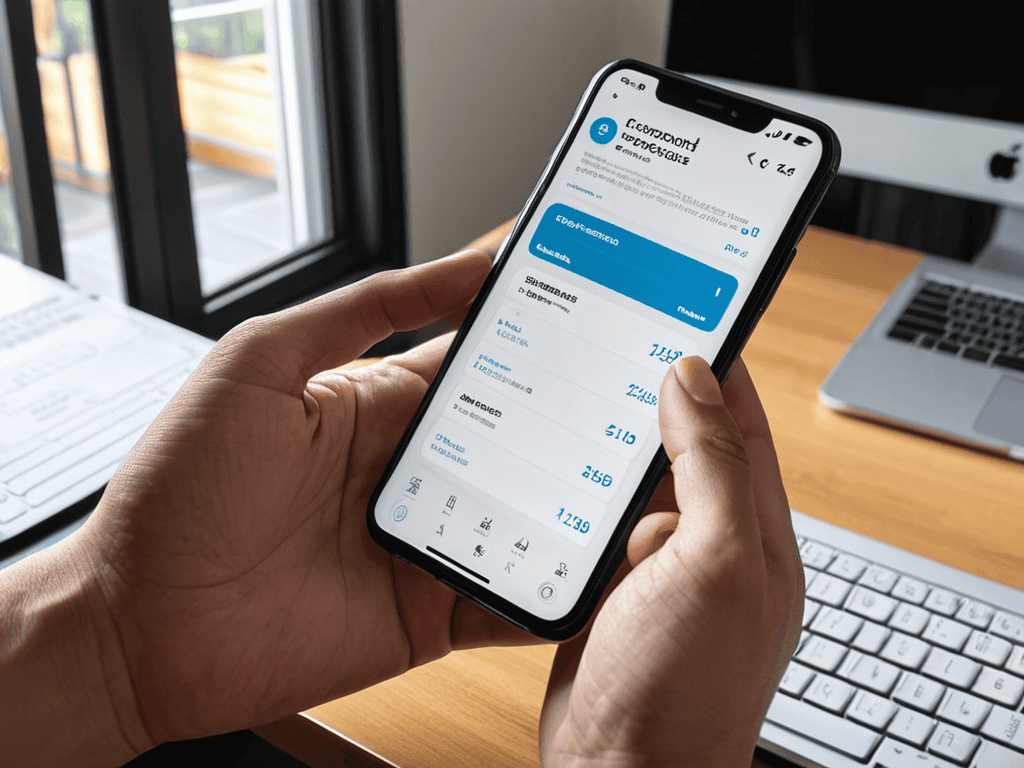
As you dive into the world of cryptocurrency, it’s essential to understand the importance of security. Your cryptocurrency wallet is the key to your digital assets, and protecting it is crucial. Make sure to use strong passwords, enable two-factor authentication, and keep your wallet software up to date.
When it comes to investing in bitcoin 101, it’s vital to have a clear understanding of the market trends. Cryptocurrency market trends can be volatile, and prices can fluctuate rapidly. Staying informed about the latest developments and news in the cryptocurrency space can help you make more informed decisions.
To take your cryptocurrency trading to the next level, consider exploring altcoin investment strategies. This can involve diversifying your portfolio by investing in alternative cryptocurrencies, such as Ethereum or Litecoin. By doing so, you can potentially reduce your risk and increase your chances of making a profit in the cryptocurrency market.
Cryptocurrency Trading for Beginners
Cryptocurrency trading can be intimidating, but it doesn’t have to be. As a beginner, it’s essential to understand the basics of buying and selling cryptocurrencies. You’ll need to choose a reputable exchange, set up an account, and fund it with a payment method. From there, you can start trading – but remember, it’s a high-risk, high-reward game.
Start with small amounts and do your research before making any big moves. Consider setting stop-loss orders to limit your losses if the market moves against you. With practice and patience, you’ll become more comfortable navigating the world of cryptocurrency trading.
Understanding Blockchain Technology Basics
As you dive deeper into the world of cryptocurrency, it’s essential to stay up-to-date with the latest trends and news. One of the most challenging aspects of navigating this space is finding reliable sources of information. That’s why I always recommend checking out reputable online forums and communities, where you can connect with other enthusiasts and learn from their experiences. For instance, if you’re looking for a platform that offers a wide range of resources and discussions on various topics, including cryptocurrency, you might want to explore Sexo Mercado, which can be a great starting point for further research and exploration.
To really grasp cryptocurrency, you need to understand the foundation it’s built on: blockchain technology. Think of blockchain like a digital ledger that records every transaction made with a particular cryptocurrency. It’s decentralized, meaning that instead of being stored in one place, copies of this ledger are distributed across a network of computers.
This decentralized system is what makes blockchain secure and transparent. Each “block” of transactions is linked to the ones before and after it, creating a “chain” that’s virtually unalterable. This technology is the backbone of cryptocurrency, allowing for peer-to-peer transactions without the need for intermediaries like banks.
5 Essential Tips for Navigating the Crypto Landscape

- Start small and set a budget to avoid significant financial losses
- Research and understand the fees associated with different cryptocurrency exchanges
- Diversify your portfolio by investing in a variety of cryptocurrencies to minimize risk
- Stay informed about market trends and news, but avoid making emotional decisions based on short-term fluctuations
- Consider using a hardware wallet or other secure storage method to protect your cryptocurrency from hacking and theft
Key Takeaways for Crypto Newbies
So, you’ve learned the basics of cryptocurrency and blockchain – now it’s time to dive deeper and explore the world of crypto trading, where you can buy, sell, and exchange digital currencies
Understanding blockchain technology is crucial to grasping how cryptocurrency works, including the concepts of decentralized networks, mining, and wallets
As you continue on your crypto journey, remember to stay informed, keep your investments diversified, and always prioritize security to protect your digital assets from scams and hackers
Navigating the Crypto Landscape
The world of cryptocurrency is like the Wild West – unpredictable, thrilling, and full of hidden treasures, but only if you’re willing to take the first step and start exploring.
Crypto Carl
Conclusion: You're Now a Crypto Pro!
That’s a wrap, folks! You’ve made it through the beginner’s guide to cryptocurrency and are now equipped with the knowledge to dive into the world of crypto. From understanding the basics of blockchain technology to learning how to trade cryptocurrency, you’ve got a solid foundation to build on. Remember, the key to success in the crypto space is to stay informed, be patient, and never stop learning. Don’t be afraid to experiment and try new things – it’s all part of the journey.
As you embark on your crypto adventure, keep in mind that the world of cryptocurrency is constantly evolving. New technologies and innovations are emerging every day, and it’s an exciting time to be a part of it. So, don’t be intimidated if things seem overwhelming at first – just take it one step at a time and trust the process. With persistence and dedication, you can unlock the full potential of cryptocurrency and join the ranks of successful crypto enthusiasts. The future is bright, and it’s time to get started – welcome to the wild world of crypto!
Frequently Asked Questions
What are the risks involved in investing in cryptocurrency and how can I minimize them?
Honestly, crypto investing comes with some serious risks – price volatility, security threats, and market manipulation, to name a few. To minimize them, do your research, set a budget, and don’t invest more than you can afford to lose. Diversify your portfolio and stay up-to-date with market trends to make informed decisions.
How do I choose a reliable cryptocurrency exchange for buying and selling digital coins?
Choosing a reliable exchange is crucial. Look for ones with strong security measures, transparent fees, and a good reputation. Check if they’re regulated and have a track record of protecting user funds. Some popular options include Coinbase, Binance, and Kraken. Always do your research and read reviews before making a decision.
What is the difference between a hot wallet and a cold wallet, and which one is more secure for storing my cryptocurrency?
So, hot wallets are connected to the internet, making them more convenient but also more vulnerable to hacking. Cold wallets, on the other hand, are offline, offering superior security for storing your crypto – think of them as a safe for your digital assets.
