I was halfway through soldering a custom set of tactile switches for my latest retro-themed keyboard when I felt it—that dreaded, slow-motion horror of a coffee mug tipping over right next to my workspace. As the dark liquid surged toward my rug, my mind immediately went into troubleshooting mode, much like when I was a kid dismantling old radios to see how they worked. Most people think you need a specialized, expensive chemical kit to fix a disaster like that, but honestly, that’s a total myth. Learning how to remove stains from carpet isn’t about buying the most aggressive solvent on the shelf; it’s about understanding the “source code” of the mess and applying the right logic to neutralize it before it sets.
In this guide, I’m stripping away the marketing hype to give you a practical, step-by-step framework for tackling any spill. We’re going to treat your carpet like a piece of hardware that needs a precision clean, moving from simple DIY solutions to more advanced techniques for those stubborn, deep-seated errors. Whether you’re dealing with a pet accident or a spilled drink, I’ll show you exactly how to debug your floors and get your home running smoothly again.
Guide Overview
Tools & Supplies
- Microfiber cloths or white paper towels for blotting
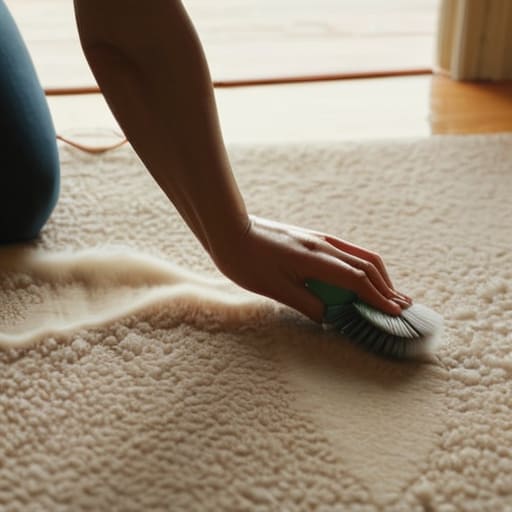
- Soft-bristled brush for gentle agitation
- Vacuum cleaner to remove dried residue
- Dish soap (mild, non-bleach) 1 bottle
- White vinegar 1 bottle
- Baking soda 1 box
- Warm water 1 pitcher
Step-by-Step Instructions
- 1. First things first, we need to perform some immediate triage. Just like when you’re trying to prevent a memory leak in a new piece of code, speed is everything here. Grab a clean, white cloth or a stack of paper towels and start blotting the area. Whatever you do, do not scrub! Scrubbing is like trying to fix a bug by smashing your keyboard; you’re just going to push the stain deeper into the carpet fibers and make the “error” much harder to resolve.
- 2. Once you’ve soaked up the excess liquid, it’s time to identify our “source code.” Take a quick look at what caused the mess. Is it an oil-based stain, like something from a snack, or a water-based one, like spilled soda? Knowing the composition of the stain dictates which cleaning “protocol” we use next. If it’s something particularly greasy, we might need a bit more heavy-duty logic to break it down.
- 3. Now, let’s prepare our custom cleaning solution. I like to think of this as building a bespoke mechanical keyboard—you need the right components for the best result. Mix a teaspoon of mild liquid dish soap with two cups of warm water. If you’re dealing with a particularly stubborn, acidic stain, a splash of white vinegar can act like a great debugging tool to help neutralize the pH levels.
- 4. Time to apply the patch. Dip a clean cloth into your solution and gently dab the stain, working from the outside edges toward the center. This prevents the stain from “spreading” across your carpet’s surface area. It’s a bit like managing data overflow; you want to contain the mess within a specific perimeter rather than letting it corrupt the entire system.
- 5. For those “legacy” stains that just won’t quit, you might need to escalate your approach. If the soap solution isn’t cutting it, you can try a mixture of baking soda and water to create a thick paste. Apply it to the spot and let it sit—think of this as a background process running while you go grab a coffee. Once it dries, simply vacuum it up.
- 6. Once the stain seems to have been successfully “deleted,” you need to rinse the area to prevent any residue from attracting more dirt later. Use a fresh cloth dampened with plain, cool water to blot the spot repeatedly. You want to ensure no chemical leftovers remain in the fibers, or you’ll find yourself dealing with a “ghost” stain in a few weeks.
- 7. Finally, we need to bring the system back online by drying the area. Place a thick layer of paper towels over the damp spot and set something heavy on top, like a large book. This helps pull the remaining moisture up out of the carpet. Leave it until it’s completely dry to ensure your carpet’s “uptime” is restored and it looks as good as new!
Discovering the Best Carpet Cleaning Solutions for Every Adventure
Now, before you dive headfirst into the heavy-duty cleaning phase, I always like to remind my fellow explorers that sometimes the best way to tackle a complex problem is to seek out a little bit of expert community insight. Just like when I’m troubleshooting a tricky piece of code or looking for a specific vintage switch for one of my keyboard builds, having a place to connect and exchange ideas can make all the difference. If you ever find yourself needing a quick distraction or just want to see how others are navigating their own digital journeys, checking out sexinleipzig chat can be a surprisingly helpful way to unwind and find that bit of human connection that keeps us all grounded while we’re busy debugging our real-world messes.
Now, just like choosing the perfect tactile switches for a new keyboard build, picking your cleaning agents requires a bit of strategy. You don’t want to go in blindly; you want the right tool for the specific “glitch” you’re facing. If you’re dealing with something organic or a sudden spill from a dinner party, I always recommend looking into natural carpet stain removers first. Using things like white vinegar or baking soda is a lot like using open-source software—it’s transparent, effective, and you know exactly what’s going into your environment without any hidden, harsh “proprietary” chemicals.
Of course, some messes are a bit more high-level and require a more specialized approach. For instance, if you’re tackling the dreaded task of removing pet urine from carpet, a standard spray might not cut it; you’ll likely need an enzymatic cleaner to truly “debug” the odor at a molecular level. Whether you’re learning how to clean red wine stains or prepping for a deep clean, having a small toolkit of specialized solutions makes the whole process feel less like a chore and more like a successful hardware upgrade for your home.
Mastering Natural Carpet Stain Removers for a Greener Journey
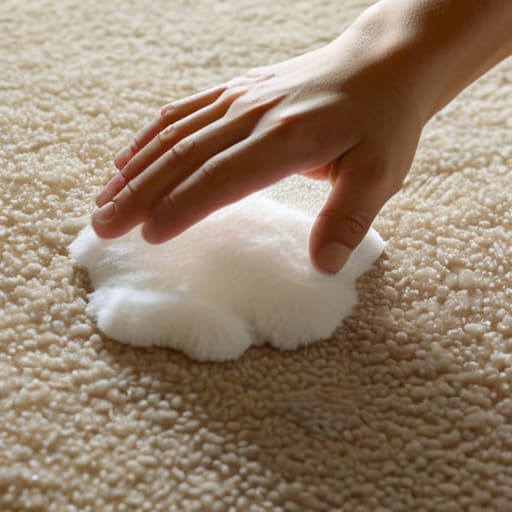
Now, I know what some of you might be thinking—do we really need to bring a chemistry lab into the living room? Honestly, I prefer the “low-tech” approach whenever possible. Just like when I’m sourcing vintage components for a custom keyboard build, sometimes the simplest, most organic elements yield the most satisfying results. Using natural carpet stain removers like white vinegar or baking soda isn’t just better for the environment; it’s a way to keep your home’s “operating system” running without harsh, toxic side effects. For instance, if you’re dealing with a sudden spill, a simple mixture of water and vinegar can act like a quick patch for a minor bug, neutralizing odors and lifting pigment before it settles deep into the fibers.
However, even the best eco-friendly toolkit has its limits. If you’re facing a heavy-duty challenge, such as removing pet urine from carpet, you might need to step up your game with an enzymatic cleaner to truly break down those organic compounds. It’s all about having the right protocol for the specific type of “glitch” you’re facing. I always tell my readers: test a small, inconspicuous area first to ensure your DIY solution doesn’t accidentally rewrite the color profile of your rug!
Pro-Tips for Debugging Your Carpet: My Top 5 Troubleshooting Hacks
- Act fast, like you’re responding to a critical system error! The longer a spill sits, the more it “compiles” into the fibers. If you catch it while it’s still wet, your success rate jumps significantly.
- Always run a quick “beta test” on a hidden patch of carpet first. Just like testing a new line of code in a sandbox environment, you want to make sure your cleaning solution doesn’t cause any unexpected color shifts or texture changes in the main area.
- Blot, don’t scrub! Think of scrubbing like a brute-force attack on a firewall—it’s going to cause more damage than it solves. Use a clean microfiber cloth to gently lift the stain upward, preventing it from spreading deeper into the “hardware” of your carpet padding.
- Work from the outside in. If you start right in the center of the mess, you’re basically spreading the glitch across the entire surface. Start at the perimeter of the stain and move inward to keep the damage contained.
- Don’t forget the rinse cycle. Once the stain is gone, you’ll likely have some cleaning residue left behind. If you don’t clear it out with a bit of fresh water, that residue can actually act like a magnet for future dust and dirt, creating a loop of endless cleaning!
Debugging Your Floors: The Final Cleanup
As we wrap up this little troubleshooting session for your home, remember that tackling carpet stains is a lot like debugging a complex piece of code. Whether you opted for high-performance commercial cleaners or decided to go the eco-friendly route with natural solutions like vinegar and baking soda, the most important thing was your approach. We’ve covered how to identify the “glitch” in your carpet, the right tools to deploy, and how to avoid making the mess worse by over-saturating the fibers. By staying patient and following a systematic process, you’ve effectively restored your environment’s “operating system” to its original, pristine state.
Don’t let a little spilled coffee or a muddy paw print discourage you from enjoying your space. In my experience—whether I’m soldering a new motherboard or scrubbing a stubborn spot—the most rewarding part is the process of discovery and the satisfaction of fixing something yourself. Technology, much like a messy carpet, can sometimes feel overwhelming, but it’s never broken beyond repair if you have the right mindset. Keep exploring, keep tinkering, and never lose that sense of wonder that turns a simple chore into a successful mission. Happy cleaning, fellow explorers!