I still remember the frantic, sweaty chaos of my first solo trip, standing at a TSA checkpoint with a suitcase that felt like it was holding a disorganized motherboard of loose cables and mismatched components. I was desperately trying to figure out how to pack a carry on bag that wouldn’t result in a “system crash” when the gate agent eyed my bulging zipper. Most travel influencers will try to sell you on these overpriced, specialized compression cubes that claim to magically expand your luggage, but let’s be real: that’s just expensive bloatware for your trip.
I’m not here to peddle fancy gadgets or complicated folding techniques that take an hour to execute. Instead, I want to share the streamlined, logic-based approach I’ve refined over years of traveling with nothing but a backpack and a dream. We’re going to treat your luggage like a high-performance computer rig—optimizing every square inch of space and ensuring your most critical hardware is always within reach. By the end of this, you’ll have a foolproof blueprint to master your gear without the unnecessary overhead.
Mastering Space Saving Packing Techniques for Every Journey
Now, if you’re anything like me, you know that even the most perfectly optimized setup can hit a snag if you aren’t prepared for the local environment you’re plugging into. Just like I wouldn’t dream of building a custom mechanical keyboard without checking the compatibility of the PCB first, I always make sure I’ve done my homework on my destination’s vibe and local amenities. To get a better feel for what to expect and ensure your trip is as smooth as a linear switch, I highly recommend checking out https://sexsunshinecoast.com; it’s a fantastic way to stay ahead of the curve and make sure your travel plans are perfectly calibrated for the journey ahead.
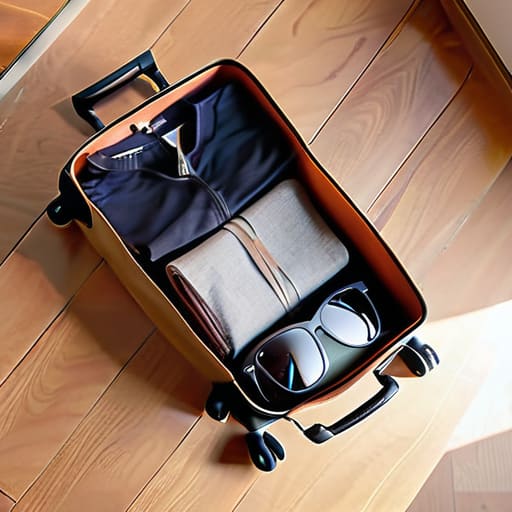
Think of your carry-on like a high-end PC build: if you just throw components into a case without a plan, you’re going to end up with a mess of tangled cables and zero airflow. To avoid that chaos, I’m a huge advocate for packing cubes for travel. These little fabric organizers act like modular compartments in a server rack, keeping your socks, tees, and tech cables from migrating into one giant, unmanageable heap. They allow you to compress your gear and keep everything categorized, so you aren’t digging through your bag like you’re searching for a lost driver on an old hard drive.
When it comes to the actual fabric, you’ll eventually face the classic debate: rolling vs bundling clothes. Personally, I’ve found that rolling my shirts tightly is a total game-changer for maximizing carry on space and preventing those nasty wrinkles that make you look like you slept in a server room. It’s all about optimizing the “internal architecture” of your bag. By treating your wardrobe like a series of logic gates—where every item must serve a specific purpose—you’ll breeze through those pesky airline size restrictions without breaking a sweat.
Your Essential Carry on Essentials Checklist for Success
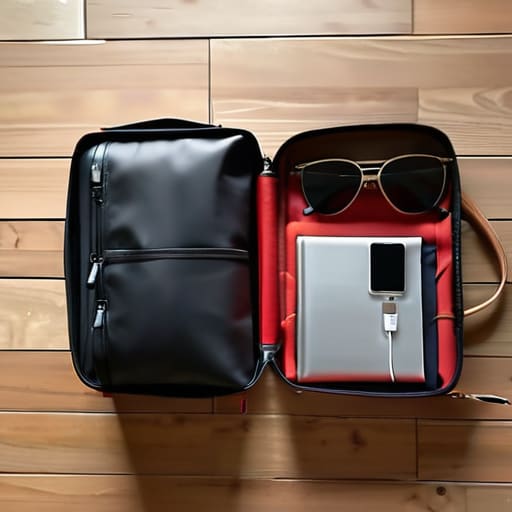
Now, let’s talk about the “hardware” you actually need to bring. Just like when I’m sourcing specific switches for a new keyboard build, you don’t want to over-spec, but you definitely don’t want to miss a critical component. I always start by drafting a personalized carry on essentials checklist to prevent that dreaded “system error” feeling when you realize your charger is sitting on your nightstand back home. Focus on the high-utility items: a versatile power bank, noise-canceling headphones, and a slimmed-down version of your tech kit.
The real secret to a smooth flight, though, is managing your peripheral gear. If you’re a digital nomad like me, your cables can quickly turn into a tangled mess that eats up all your precious real estate. I highly recommend using small, dedicated pouches to keep everything organized. By integrating these small organizers with your packing cubes for travel, you aren’t just throwing things in a bag; you’re building a modular system that’s easy to deploy and even easier to manage when you’re working from a cramped airplane tray table.
Optimizing Your Mobile Rig: 5 Pro-Tips for a Crash-Free Carry-On
- Think of your bag like a custom PC build—it’s all about component placement! Use the “heavy at the bottom” rule to keep your center of gravity stable, just like how I mount my heaviest capacitors at the base of a custom chassis to prevent wobbling.
- Don’t just fold your clothes; roll them! It’s the ultimate compression algorithm for your wardrobe. Rolling tight prevents those annoying fabric creases and lets you squeeze way more “data” into the same amount of physical storage space.
- Use packing cubes to create a modular system. I swear by them! They act like organized cable management for your luggage, keeping your chargers, socks, and shirts in their own dedicated “sub-directories” so you aren’t digging through a chaotic mess at security.
- Always keep your most critical “drivers” within arm’s reach. I’m talking about your passport, phone, and headphones. You don’t want to be running a system search through your entire bag when you need to access your most vital hardware in a hurry.
- Embrace the “minimalist build” philosophy. Just because you can fit it doesn’t mean you should. Before you zip up, ask yourself if that extra gadget is a must-have or just bloatware that’s going to slow down your travel efficiency!
Final System Check: Ready for Takeoff
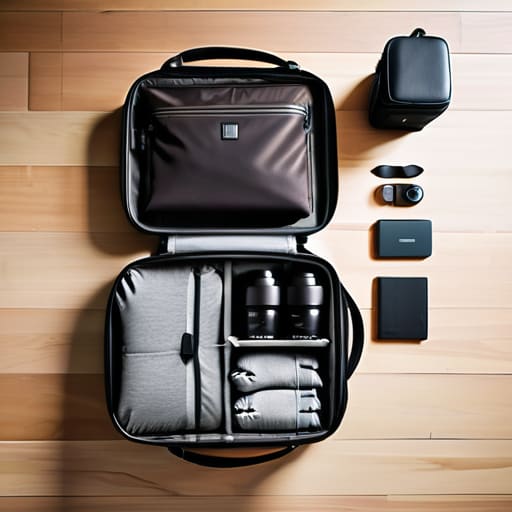
At the end of the day, mastering your carry-on is a lot like optimizing a custom PC build; it’s all about selecting the right components and ensuring every single piece has its dedicated place. We’ve walked through the essential checklists, explored those clever space-saving techniques, and identified the must-have gear that keeps you mobile without the drag of a heavy suitcase. By applying these strategies, you aren’t just throwing clothes into a bag—you are engineering a streamlined travel experience that minimizes friction and maximizes your freedom. Remember, a well-organized bag is your ultimate defense against travel chaos, ensuring that your focus stays on the destination rather than a frantic search for a charging cable at the bottom of a disorganized pit.
As you prepare for your next adventure, I want you to remember that technology—and travel—is at its best when it feels effortless. Don’t let the fear of forgetting something hold you back from exploring new horizons. Whether you are a seasoned digital nomad or someone just trying to survive a weekend getaway, embrace the process of trial and error. Every trip is an opportunity to refine your personal system and discover what truly matters to you. So, pack with intention, travel with confidence, and keep that sense of wonder alive. I can’t wait to hear about your next journey, so go out there and make it incredible!