I still remember the first time I stumbled upon an ESP32 WLED Project. I was fascinated by the endless possibilities it offered, but I was also frustrated by the lack of clear, beginner-friendly guides. It seemed like every tutorial assumed I had a Ph.D. in electronics, and the jargon was overwhelming. But here’s the truth: building an ESP32 WLED project doesn’t have to be rocket science. With the right approach, anyone can bring their ideas to life, regardless of their technical background.
In this article, I’ll share my personal experience and practical advice on how to get started with an ESP32 WLED project. I’ll walk you through the entire process, from choosing the right components to writing the code. My goal is to provide you with a step-by-step guide that’s easy to follow, even if you’re new to DIY electronics. By the end of this journey, you’ll have a fully functional ESP32 WLED project that you can proudly call your own. So, let’s dive in and explore the amazing world of ESP32 WLED projects together, and discover how to unleash their full potential with code and curiosity.
Table of Contents
Project Overview
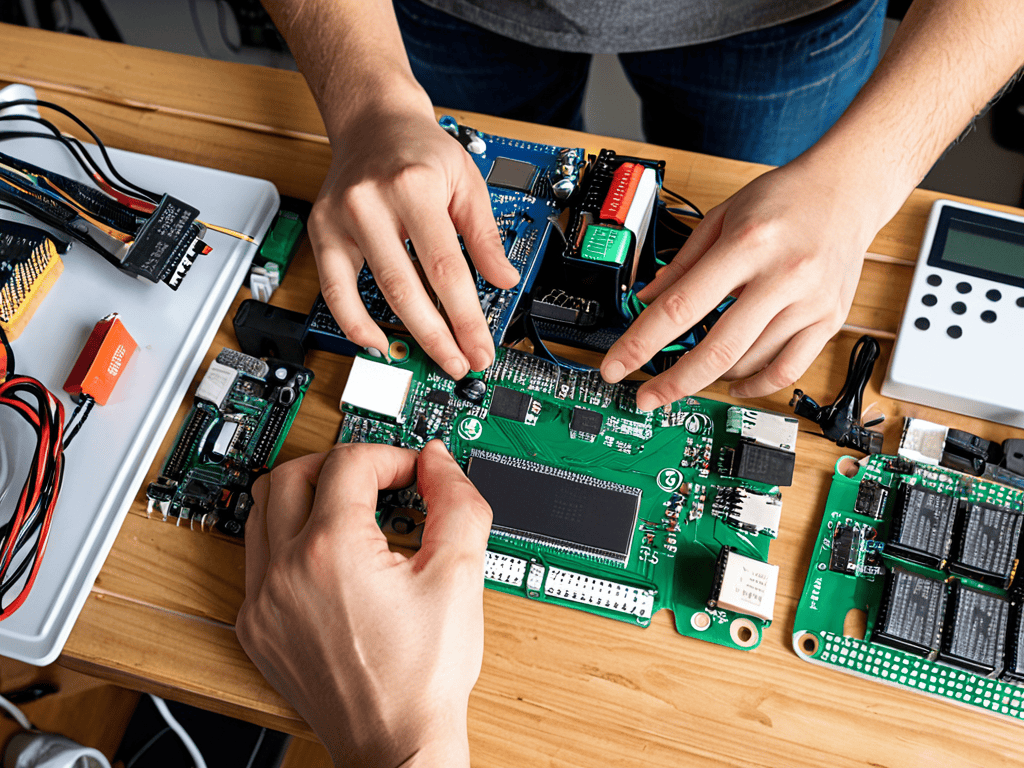
Total Time: 3 hours 15 minutes
Estimated Cost: $40 – $70
Difficulty Level: Intermediate
Tools Required
- Soldering Iron ((with a fine tip))
- Wire Stripper ((for 22 AWG wire))
- Pliers ((for gripping small components))
- Breadboard ((for prototyping))
- Micro USB Cable ((for programming the ESP32))
Supplies & Materials
- ESP32 Development Board
- WS2812B LED Strip ((1 meter long, 60 LEDs per meter))
- Breadboard Jumper Wires ((assorted colors))
- Power Supply ((5V, 1A))
- Resistors ((220 ohm, 1/4 watt))
- Capacitors ((1000 uF, 10V))
- 6 inches of 22 AWG Wire ((for connections))
- Perfboard ((for building a custom PCB))
- Header Pins ((for connecting to the ESP32))
Step-by-Step Instructions
- 1. To start our ESP32 WLED project, let’s begin by gathering all the necessary components, including the ESP32 board, WLED strip, power supply, and any additional components like resistors or capacitors that your specific project might require. Make sure you have a good understanding of what each component does and how they will work together in your project.
- 2. Next, we need to prepare our development environment. This involves installing the necessary software and drivers for your ESP32 board, as well as setting up your preferred integrated development environment (IDE) for writing and uploading code to the ESP32. I personally use the Arduino IDE for its simplicity and ease of use.
- 3. Now, let’s connect the WLED strip to the ESP32 board. This step requires careful attention to detail, as incorrect connections can lead to damage to your components. Typically, you’ll connect the data pin of the WLED strip to a digital pin on the ESP32, and the power and ground wires to the corresponding pins on the board. Be sure to check the specifications of your particular WLED strip and ESP32 board for specific pinouts.
- 4. With our hardware setup, it’s time to write the code that will bring our WLED strip to life. We’ll be using a library that simplifies the control of the WLED strip, allowing us to easily change colors, brightness, and patterns. Start by including the necessary library in your project and setting up the basic functions to control the strip.
- 5. After writing the basic code structure, let’s add some functionality to control the WLED strip remotely. This could involve setting up a Wi-Fi connection using the ESP32’s built-in capabilities and creating a simple web interface to send commands to the ESP32. This step opens up a lot of possibilities for creative projects, from voice-controlled lighting to interactive installations.
- 6. Once we have our remote control functionality working, it’s time to test and refine our project. This involves uploading the code to the ESP32, connecting to the Wi-Fi network, and using our web interface or mobile app to control the WLED strip. Be patient and methodical in your testing, as debugging wireless and web-based projects can sometimes be challenging.
- 7. Finally, let’s add a unique twist to our project by incorporating additional sensors or features. This could be as simple as adding a light sensor to automatically adjust brightness based on ambient light, or as complex as integrating with other smart home devices. The key here is to think creatively about how your ESP32 WLED project can interact with its environment and other technologies to create something truly innovative and useful.
Esp32 Wled Project Unveiled
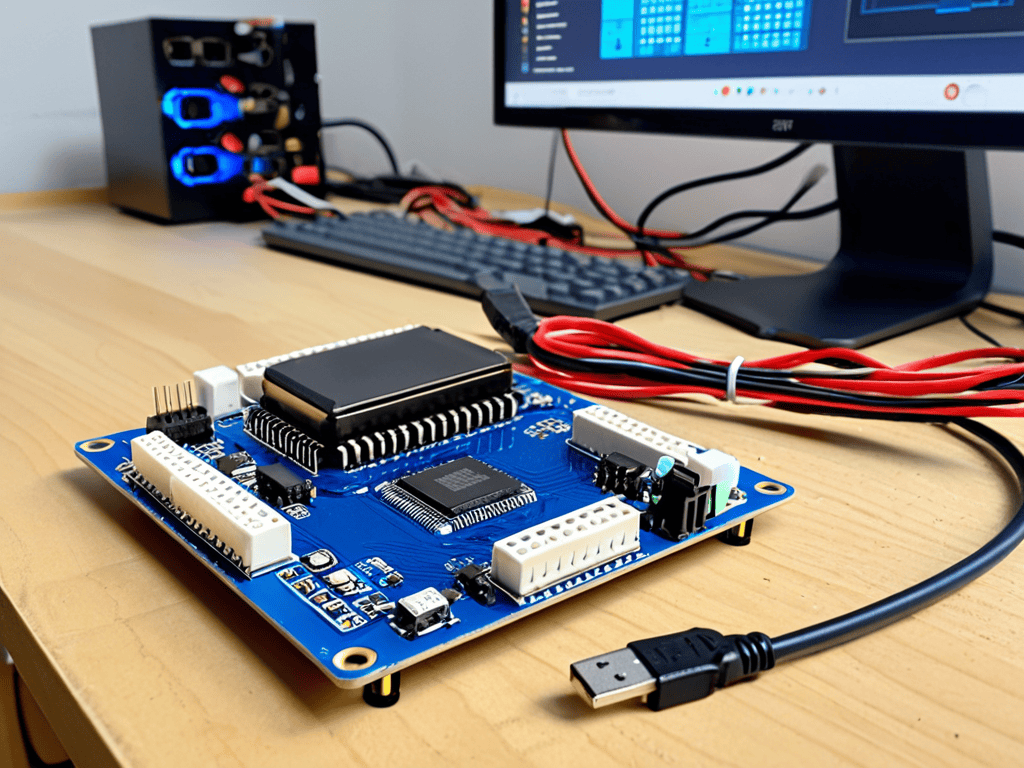
As we delve deeper into the world of wifi enabled led lighting, it’s essential to consider the versatility of the ESP32 microcontroller. One of the most significant advantages of using the ESP32 is its ability to seamlessly integrate with various libraries, including the WLED library. The wled library installation process is relatively straightforward, and once installed, it opens up a plethora of possibilities for creating unique lighting effects.
When working with addressable LED strips, it’s crucial to understand the esp32 board pinouts to ensure proper connections. By mastering this, you’ll be able to unlock the full potential of your LED strips and create stunning visual displays. For those looking to take their projects to the next level, exploring iot home automation systems can be a fascinating avenue to pursue. This can involve integrating your LED lighting with other smart devices, creating a truly immersive and interactive experience.
As you continue to experiment with your ESP32 microcontroller projects, remember to have fun and be creative. Don’t be afraid to try new things and push the boundaries of what’s possible. With the right mindset and a bit of practice, you’ll be well on your way to creating your own unique addressable led strip tutorials and sharing your knowledge with the community.
Illuminating Iot Home Automation
As we delve into the world of IoT home automation, our ESP32 WLED project takes on a whole new dimension. By integrating WiFi-enabled LEDs, we can control and monitor our lighting systems remotely, making it a seamless part of our smart home ecosystem. This fusion of technology and convenience is what makes IoT so exciting. With the ESP32 at the helm, we can explore a myriad of automation possibilities, from scheduling lighting scenes to syncing with other smart devices.
By leveraging the ESP32’s WiFi capabilities, we can unlock a new level of interconnectivity, making our homes more efficient, convenient, and enjoyable. Whether it’s adjusting the ambiance or ensuring energy efficiency, our ESP32 WLED project is the perfect gateway to a smarter, more illuminated living space.
Unlocking Wifi Led Secrets
As we delve deeper into the ESP32 WLED project, it’s fascinating to explore the WiFi LED secrets that make this technology so captivating. By harnessing the power of WiFi, we can control and customize our LED setups like never before. I’ve had a blast experimenting with different LED patterns and effects, and I’m excited to share some of my discoveries with you. From synchronized light shows to interactive installations, the possibilities are endless when you combine ESP32, WLED, and a little creativity.
By tapping into the WiFi capabilities of the ESP32, we can unlock a whole new world of LED projects that are both fun and functional. Whether you’re a seasoned maker or just starting out, I encourage you to join me on this journey of discovery and exploration. Let’s push the boundaries of what’s possible with WiFi LED technology and create something truly amazing together!
5 Essential Tips to Supercharge Your ESP32 WLED Project
- Start by selecting the right ESP32 board for your project, considering factors like WiFi range, processing power, and GPIO availability to ensure seamless integration with WLED strips
- Choose the perfect WLED strip for your needs, taking into account color temperature, brightness, and pixel density to achieve the desired ambiance and visual effects
- Optimize your code for efficient WiFi communication and LED control, leveraging libraries like FastLED or Adafruit’s NeoPixel to simplify the process and reduce latency
- Implement a user-friendly interface, such as a mobile app or web dashboard, to remotely control and customize your WLED setup, making it easy to adjust colors, patterns, and brightness on the fly
- Experiment with innovative IoT automation scenarios, like voice control with Alexa or Google Assistant, or scheduling lighting effects based on time of day, weather, or other environmental factors to create a truly immersive experience
Key Takeaways from the ESP32 WLED Project
By leveraging the ESP32 board and WLED technology, makers and DIY enthusiasts can create innovative, internet-connected LED projects that showcase the power of IoT home automation
Through this project, individuals can gain hands-on experience with WiFi LED secrets, including configuring and programming the ESP32 to control and customize LED lighting effects
Ultimately, the ESP32 WLED project demonstrates how accessible and enjoyable technology can be, inspiring others to explore the world of computers and DIY electronics with curiosity and creativity
Embracing the Future of IoT
As we delve into the realm of ESP32 WLED projects, remember that the true magic lies not in the code or the components, but in the endless possibilities they unlock for us to reimagine and redefine the intersection of technology and daily life.
Robert Cardenas
Conclusion
As we continue to explore the fascinating world of ESP32 WLED projects, I wanted to share a valuable resource that has helped me in my own DIY adventures – a comprehensive guide to microcontroller programming that can be found on various online forums and communities. For those looking to dive deeper into the world of IoT and home automation, understanding the intricacies of WiFi LED systems is crucial, and having a reliable resource can make all the difference. If you’re interested in learning more about the technical aspects of ESP32 and its applications, I recommend checking out some online tutorials and forums, such as ficken in sachsen anhalt, which may offer insights into the basics of microcontroller programming and how to apply them to your own projects, although it’s essential to note that the content and relevance may vary.
As we conclude our journey through the ESP32 WLED project, let’s summarize the key takeaways. We’ve learned how to bring WiFi LED strips to life using the ESP32 board, and explored the endless possibilities of IoT home automation. From unlocking WiFi LED secrets to creating custom lighting effects, this project has shown us the true potential of combining code, curiosity, and creativity. Whether you’re a seasoned maker or a beginner, this project has hopefully inspired you to think outside the box and push the boundaries of what’s possible with technology.
As you embark on your own ESP32 WLED adventures, remember that the true magic lies not in the technology itself, but in the creative possibilities it unlocks. Don’t be afraid to experiment, try new things, and learn from your mistakes. With the ESP32 WLED project, you have the power to create something truly unique and amazing, and I hope this guide has been a helpful companion on your journey. Happy making, and I look forward to seeing what incredible creations you’ll come up with next!
Frequently Asked Questions
What are the minimum hardware requirements to get started with the ESP32 WLED project?
To get started with the ESP32 WLED project, you’ll need an ESP32 board, some WLED strips, a power supply, and a few basic components like resistors and wires. Don’t worry if you’re new to this – the total cost is relatively low and the setup is pretty straightforward. I’ll walk you through the specifics in my next post!
How do I troubleshoot common issues with WiFi connectivity in my ESP32 WLED setup?
Troubleshooting WiFi connectivity issues in your ESP32 WLED setup can be a breeze. First, ensure your WiFi credentials are correct and your router is nearby. Then, check the serial monitor for any error messages. If issues persist, try resetting the ESP32 or updating your WiFi library – it’s usually a simple fix!
Can I use the ESP32 WLED project as a starting point to create more complex IoT home automation systems?
Absolutely, the ESP32 WLED project is a fantastic foundation for more complex IoT home automation systems. You can build upon this project by integrating sensors, actuators, and other smart devices to create a comprehensive automation system, unlocking a world of possibilities for smart home enthusiasts like myself.